How should dragon fruit be planted? An introduction to dragon fruit cultivation techniques
Dragon fruit is a very common and very popular fruit in our daily lives. Dragon fruit has high nutritional value and tastes good, and there is a very large market demand for it. The market demand for dragon fruit is also constantly rising, so the planting area and yield urgently need to be increased. So how should dragon fruit be planted? Below, the editor brings you the cultivation techniques for dragon fruit. Let's take a look!
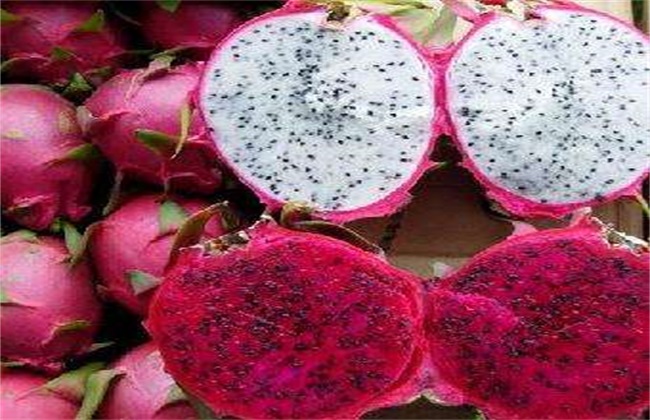
1. Seedling stage management
To plant dragon fruit, we first need to choose a good seedbed. The seedbed should be located in a place with good ventilation, sufficient light, fertile soil and normal drainage and irrigation. Then finely prepare the soil and make beds, apply sufficient farmyard manure as base fertilizer, with the application rate kept at about 1800kg per mu. Mix it thoroughly with the soil, then apply an appropriate amount of calcium magnesium phosphate fertilizer and work it into the topsoil. Then control the spacing between plants and rows, plant the small seedlings into the seedbed, water and spray. After about half a month, apply about 6kg of compound fertilizer. After the small seedlings grow their first section of stem flesh, they can be taken out of the nursery and planted in the field.
2. Scientific fertilization
The fruit harvesting period of dragon fruit is relatively long. Basically, organic fertilizer is applied once every year, balancing the proportion of nitrogen, phosphorus and potassium fertilizers. After entering the flowering period of dragon fruit, attention should be paid to appropriately increasing the proportion of potassium and magnesium fertilizers to increase the accumulation of sugar in the fruit and improve fruit quality. Fertilization during the young tree stage should mainly be nitrogen fertilizer, following the principle of applying more frequently but in small amounts, to promote the growth of dragon fruit. For adult trees over 3 years old, fertilization should mainly be phosphorus and potassium fertilizers, and excessive nitrogen fertilizer should not be applied to avoid excessive vegetative growth. Fertilization should be carried out each year when new shoots sprout and the fruit expands, providing sufficient growth nutrients for dragon fruit.
3. Reasonable watering
Dragon fruit likes to grow in a warm and humid environment, and sufficient light must be ensured. During the seedling stage of dragon fruit, attention should be paid to keeping the soil moist to provide sufficient water for seedling growth. In spring and summer, attention should be paid to watering more to ensure the growth condition of the roots. Then during the fruit expansion period, the soil should also be kept moist to promote fruit growth. When watering, note that it should not be flooded for a long time, otherwise it is easy to cause root oxygen deficiency. During rainy days, drainage should be carried out in time.
4. Field management
When the branches of dragon fruit reach about 130 cm, pinching should be carried out to promote branching. When planting dragon fruit, it is best to interplant some white-fleshed types of dragon fruit so that the two varieties can pollinate each other, which can significantly increase the fruit-setting rate. If rainy weather occurs, manual pollination should be done well to increase the success rate of pollination. Then after fruit harvesting each year, attention should be paid to pruning, cutting off some excess branches to promote the sprouting of new branches and ensure the yield of the next year.
The above is a brief introduction to dragon fruit cultivation techniques. That is all for today's introduction. This article is for reference only, and I hope it can be helpful to everyone.