Which regions are suitable for growing snow pears?
The snow pear gets its name from its tender, white flesh and is valued for nourishing yin and moistening the lungs, which makes it very popular on the market. It is a major variety among pears. Where it is mainly grown today is a question people care about; by understanding the main producing areas and suitable growing regions, you also learn the specific growing environment the snow pear needs. When cultivating it by hand, you then know what growing conditions to provide. So let us now take a look at the suitable regions for growing snow pears.
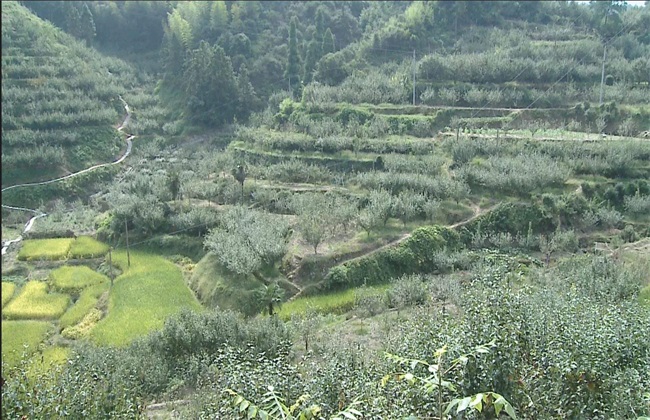
1. Suitable producing areas
Cangxi County in Guangyuan City, Sichuan, is a famous hometown of snow pears, and the Qimen and Xiuning areas of Anhui are famous for producing Huizhou snow pears. Both have a certain history of cultivation. But the most famous are the Zhaozhou snow pears of Shijiazhuang, Hebei, which were already used as tribute as early as the Qin and Han dynasties, showing their excellent quality. Snow pears are suitable for growing in warm areas with long sunshine. They need deep, loose sandy loam soil, must not have waterlogging, and require high ground. Temperature
2. Growing temperature
Below 0 degrees and above 30 degrees will affect growth, causing poor growth and stopping growth. At 8 degrees they begin to sprout, and at around 12 to 15 degrees they begin to flower; ensuring such temperatures will keep them flowering. They generally grow well at temperatures of 20 to 27, and such a large temperature range is no problem, but it should not be too low or too high; they are neither cold-tolerant nor heat-tolerant, and warmth is best.
3. Growing humidity
Snow pears are juicy fruits, and their growth requires sufficient water. Generally the soil needs to stay moist and humid, at least moist inside while dry on the surface. A water content of 55% should be maintained. This keeps moisture in the leaves and keeps the roots vigorous. During the fruiting period, watering is needed to replenish moisture; at other times, water according to the soil condition. Suddenly there should be no waterlogging, and they should not be planted in places with a low groundwater table.
4. Suitable light
The growth of snow pears definitely requires a certain amount of light, and they need long sunshine to grow well. Sunlight helps accumulate sugar, promotes photosynthesis, improves the tree's nutrition, helps the tree grow and develop, and can also increase the fruiting rate and boost yield. If the leaves do not receive adequate light, they easily lose their green color, wither, and fall off. A short-day environment may prevent flowering and flower bud differentiation.
In general, snow pears are suited to growing in an overall environment that is warm, with long sunshine, moderate humidity, and sandy loam soil. Such an environment is relatively favorable for the growth of the fruit tree. Some conditions have rather strict requirements, and failing to meet them will directly affect yield.