What are the growing environment requirements for almonds?
Almond is a Uyghur name; botanically it is called bitter almond (Prunus dulcis), and the part mainly eaten is the kernel, while the diseased part is the fruit. The fruit is very nutritious and has some dietary therapeutic effects, but bitter almond cannot be grown just anywhere. There are some restrictions on its growing environment. The most widely grown in China is in the - region. It is very well adapted to the - climate. So what exactly are the growing environment requirements for almonds? Now continue reading below.
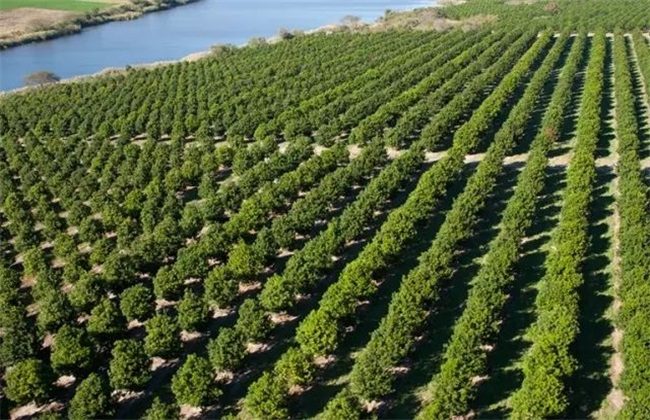
1. Environment
It adapts to a continental climate and to environments with large temperature differences between day and night; it needs a long-day environment, and the soil does not need to be moist - it can be somewhat dry. Such an environment prompts the plant's fruit to store nutrients. But it is not only continental climates where it can grow; in fact, almonds very much like a Mediterranean-type climate, and this typical climate is the climate environment of central California in the United States. Almond cultivation there is very successful.
2. Temperature
It is obvious that almonds like warmth, but they can also tolerate some low temperatures and cold, and can survive through dormancy. Generally, the temperature suitable for almond growth is between 20 and 30 degrees, and the temperature generally suitable for flower bud differentiation is around 25 degrees. When the temperature is above 12 degrees, they can sprout. Some varieties can safely overwinter even at a winter low of minus 24 degrees.
3. Soil
Almonds have strong adaptability to soil, and sometimes they can be planted in poor environments, but growth and yield may be much lower. For the sake of yield and quality, a better soil should be chosen; it is best to choose soil with deep soil layers, good aeration, good fertilizer retention and very good drainage. This allows the plant to grow better. Generally they are planted on flat land, not on mountain land, but a wind-sheltered spot is best.
4. Humidity
Almonds are drought-tolerant, so there is no need to fear drought, but maintaining some humidity is better; maintaining about 40% humidity is enough. A dry environment is beneficial to almond growth, so do not water too much. Almonds have already adapted to the environment. You only need to water once before sprouting, once during fruiting, and once in winter. At other times water moderately, or you can skip watering.
In our country, almonds are mainly grown in the - region, and are rarely grown in other regions. Almonds like a Mediterranean-type climate environment the most. Next is a continental climate environment.