How to prune a pomegranate tree for more fruit? A detailed guide to pruning methods
Pruning the tree can improve its vigor and increase fruit production. What exactly is this process, and how do you maintain tree vigor, adjust structure, and ensure ventilation and light penetration? In this way the overall growth vigor of the tree naturally improves, which is beneficial for fruiting. So the main focus below is to introduce the specific pruning methods, pruning precautions, and how the pruning methods differ at each stage.
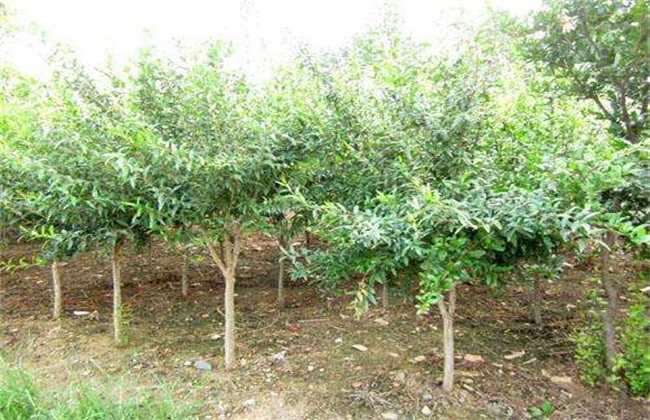
1. Pruning young trees
Generally, no pruning is done in the first year of planting; you only need to prevent disease and cut off any diseased or pest-infested branches. In the second year, the tree grows more branches, so shaping and pruning can be done. This is mainly to determine the tree shape, usually finalized in spring, or you can keep 3 main trunks, and from the lateral branches that grow after the main trunks, you can continue to keep 5 lateral branches. Note that all shoots below the main trunks should be removed.
2. Pruning preparatory trees
After two years of growth, the tree will gradually reach maturity, possibly in the early stage before fruiting, so pruning work should be done well to promote fruiting as soon as possible. Begin cultivating fruiting branches and fruiting mother branches to ensure the tree structure is good and suitable for fruiting. Generally, you can keep only vigorous branches and not weak ones. Remove most of the spring shoots, and select vigorous ones from the summer shoots to keep. Some drooping branches and peripheral branches should all be removed, and pinching should be done to control plant growth and store tree nutrients.
3. Pruning fruiting trees
Trees that have already fruited, or trees that have fruited for several years, generally have medium vigor and consume a lot of nutrients. Therefore, pruning is mainly about saving nutrients, concentrating nutrients, renewing branches, maintaining continued fruiting, and maintaining the fruiting tree vigor. Generally, pruning and replacement are done in rotation, possibly over the course of a year. But basically, dense branches and internal shaded branches should all be cut off to maintain photosynthesis. Maintain nutrient supply.
4. Pruning aging trees
Branches that have fruited for several years will age, and trees that have fruited for many years will also age. After aging, do not just cut them down; instead, continuously renew them to maintain the tree's fruiting lifespan. Mainly renew branches or renew the root system. For branch renewal, generally in spring, summer, and autumn you should keep vigorous new shoots, gradually shorten old branches to stimulate new branches, and then select vigorous branches from the new branches to keep. The root system can be shortened somewhat in spring to stimulate new roots, and root cutting can be done over several years to rejuvenate the tree.
Regardless of the method used, pruning pomegranates is all about maintaining tree vigor, producing more fruit, setting more fruit, and increasing the fruit-setting rate. However, if the tree generally produces little fruit, there may be other reasons; it is not necessarily pruning, and other aspects may also need adjustment.