When is the best time to transplant pomegranate? Detailed explanation of transplanting time and methods
Pomegranates taste sweet and are a fruit that many people enjoy eating, and quite a few people grow them. However, farmers often adopt the method of raising seedlings and then transplanting them, which can significantly improve pomegranate yield and quality. But various problems can also arise during transplanting. So when is the best time to transplant pomegranate? How should it be managed after transplanting? Let's take a look together.
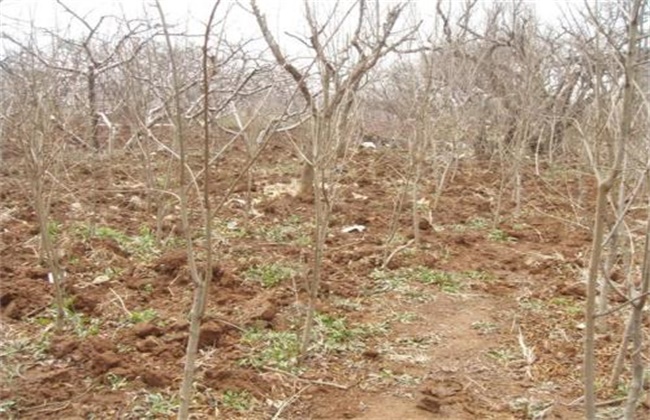
I. When is the best time to transplant pomegranate?
Pomegranates can be transplanted in all four seasons, but spring and autumn are best. Generally, northern regions have lower temperatures, so transplanting is mostly done in spring from March to April; southern regions have higher temperatures, so it can be done appropriately earlier. Autumn transplanting is generally carried out from September to October; transplanting too late is not good for root survival. If winter temperatures in the south are not very low, planting can appropriately be done later, but it must not be too late.
1. Spring transplanting
In spring, temperatures rise quickly and the air is relatively dry. After transplanting, the seedling roots go through a recovery stage, so sprouting is relatively slow. When soil moisture is insufficient, the tips of the upper branches of the seedling dry out and lose water very easily, so attention should be paid to watering, and branches should also be shortened and pruned. If water sources are insufficient or there is drought, transplanting with leaves after rain should be carried out according to local climate changes; this way there is no need to water, and the survival rate is also relatively high.
2. Autumn transplanting
Autumn transplanting can be carried out as soon as the seedlings leave the nursery. At this time soil moisture is good and the climate is suitable, and generally sprouting is heavier the following year. However, attention should be paid to transplanting earlier to avoid temperatures that are too low, as transplanting at that time is not good for root survival.
II. Management after transplanting
1. Water thoroughly to set the roots
After transplanting pomegranates, regardless of soil moisture conditions, sufficient water to set the roots must be applied promptly after planting. After the water seeps in, seal the hole with soil or plastic film to conserve moisture. In addition, irrigation should be done at appropriate times according to rainfall conditions. After planting, apply urea in summer to promote growth and development; after August, apply phosphorus and potassium fertilizer as a top dressing to promote branch maturity and enhance winter hardiness.
2. Cultivation and weeding
After the seedlings sprout, cultivation and weeding should be done at appropriate times to raise temperature and conserve moisture. Also pay attention to timely cultivation and weeding after rain or watering, keeping the soil loose and free of weeds.
3. Plant management
After transplanting, for densely planted orchards, cut the single trunk at a height of about 80 cm, and remove all excess branches; for sparsely planted pomegranate orchards or orchards where large trees have been transplanted, branches can be retained and the shape determined according to the specific tree form. All excess shoots sprouting from the base of the roots should be cut off promptly to reduce nutrient consumption.
4. Remove flower buds
For transplanted large trees, all flower buds should be removed in the same year to promote recovery of the tree body and lay a solid foundation for later flowering and fruiting. In addition, attention should be paid to the reproduction of pests and diseases, timely checking of seedling survival, and timely replanting and filling in gaps.
The above is an introduction to pomegranate transplanting time and methods. We hope it can help you. If you want to learn more related knowledge, please stay tuned to us.