What are the key management techniques for melons after transplanting?
Melon is a very popular fruit in summer. Melon has strong growth ability and a large wild distribution area. However, with the expansion of market demand, there is now also a large area of artificial cultivation. When planting melons, management is very important, especially after transplanting. So how should melons be managed after transplanting? Below, the editor brings you the management techniques for melons after transplanting. Let's take a look!
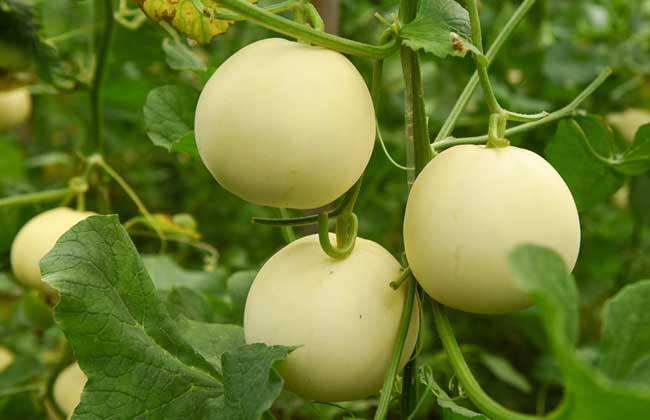
1. Temperature management
After transplanting, melons have relatively high temperature requirements. The seedling recovery period of melons is generally about one week, and during this period the greenhouse should be kept closed to increase temperature. During the first 6 days, the daytime temperature in the greenhouse should be controlled at around 32°C, and must not exceed 35°C. If it exceeds 35°C, then timely ventilation and cooling should be carried out. The nighttime temperature should also be maintained at around 20°C, and after one week, ventilation should begin. During stem and vine growth, the temperature should be lowered to 27°C, and during pollination the temperature should be lowered further, maintained at around 24°C. In short, the temperature should be adjusted according to the different growth stages of melons. It should be noted that the entire growth period must be kept above 15°C.
2. Reasonable watering
After transplanting, water thoroughly once with transplanting water to ensure the seedlings survive. After survival, when entering the seedling stage, watering should be appropriately reduced to avoid excessive moisture causing leggy growth of the seedlings. Then during the fruit enlargement stage, more water should be given to meet the fruit's water needs for growth. Watering should be carried out when the fruit reaches the size of an egg. After fruit enlargement stops, watering should be reduced, and then 10 days before harvest, no more watering should be done. Watering should not be carried out at noon during high temperatures, and light watering should be the main method to prevent water accumulation from causing seedling death.
3. Scientific fertilization
When preparing the land before planting melons, it should be combined with fertilization, and sufficient base fertilizer should be applied. Then during the melon growth period, topdressing should be done about twice, with reasonable adjustment according to the growth vigor of the melon plants. The fertilizer should mainly be compound fertilizer, and an appropriate amount of calcium ammonium nitrate fertilizer can be applied together with the fruit-setting water, with the amount per mu controlled at about 12 kg. Then when watering during the fruit enlargement stage, combined with topdressing liquid fertilizer, the amount should be controlled at about 20 kg. We can also appropriately spray foliar fertilizer, about once a week, spraying about 3 times. It should be noted that when topdressing, chlorine-containing fertilizers must not be applied, to avoid affecting melons.
4. Ventilation management
At the initial stage after transplanting, the temperature difference inside and outside the greenhouse is relatively large. Therefore, when ventilating, we should note that excessive ventilation should not be used; opening one central vent is enough. In windy weather, open the leeward vent; otherwise, open the windward vent. Generally, the ventilation amount should be reasonably adjusted according to weather changes. In the middle and late stages of melon growth, the melon growth direction changes to reproductive growth and enters the vigorous growth period. Carbon dioxide should be supplemented in time to increase the fruit-setting rate and promote fruit enlargement, so the ventilation amount should be increased, and ventilation should be carried out both day and night. The morning ventilation time can be appropriately delayed to increase the temperature inside the greenhouse and enhance photosynthesis. At night, the ventilation amount can be appropriately reduced, so that the plants consume too much nutrition through respiration.
The above is a brief introduction to the management techniques for melons after transplanting. The management work after transplanting melons is very important and is closely related to fruit quality and yield, so everyone must pay close attention. That is all for today's introduction. This article is for reference only, and I hope it can be helpful to everyone.