How to water pomegranates? A detailed explanation of the correct watering method
I believe everyone has eaten pomegranates. They are juicy and sweet, and they also have beauty benefits for women, so many female friends prefer to buy pomegranates to eat. Market demand is growing, and more people are growing them. The pomegranate has three watering periods throughout its growth cycle: the freezing water, the budding water, and the post-flowering fruit-promoting water. So how should pomegranates be watered? Let's find out together.
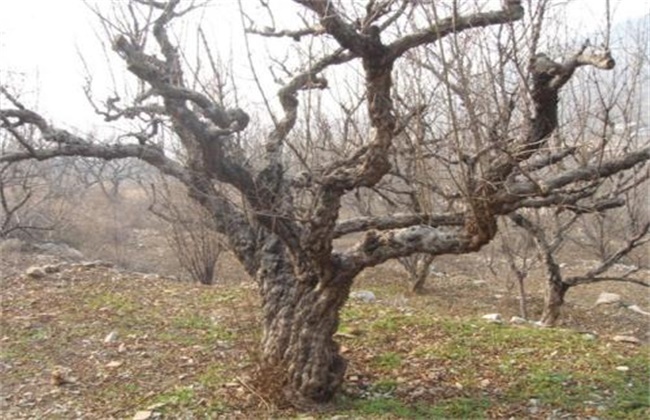
1. Freezing water
This watering is carried out before the pomegranate freezes. Combined with deep autumn plowing, organic fertilizer is applied, and the fruit trees are fully watered before freezing. This promotes the decomposition of organic fertilizer and the breakdown of high-humidity minerals, helping the pomegranate root system absorb nutrients and complete nutrient accumulation. It also promotes the quality of flower bud differentiation in the coming year, especially normal flower bud differentiation and the growth in the following spring. At the same time, watering freezing water also improves the cold resistance of the fruit trees, helping them overwinter safely. If there is a lot of rain in autumn, watering freezing water in winter can be appropriately delayed. If there is a water shortage, watering can also be done in the following spring.
2. Budding water
Pomegranate budding water is generally applied in early March. Watering budding water on pomegranates promotes uniform fruit bud break, promotes sprouting, flowering and new shoot growth, and increases total leaf area. It improves photosynthetic efficiency, promotes flower development, and increases the fruit-setting rate. Watering budding water on pomegranate trees can also prevent the damage of late frost and cold spells in late spring. The timing of budding water should not be too early or too heavy, so as to avoid excessive water causing excessive vegetative growth of branches and leaves and worsening flower and fruit drop.
3. Post-flowering fruit-promoting water
This irrigation begins after the full flowering stage, when the young pomegranate fruits begin to develop and the fruits enter a rapid expansion stage. Timely irrigation can meet the water demand for young pomegranate fruit expansion, reduce flower and fruit drop, promote fruit enlargement, and achieve the goal of increasing yield. In high-yield orchards, after the flowering stage ends, 1 month later, that is, in early July, water 2-3 times in a timely manner according to soil moisture content.
The above is an introduction to how pomegranates should be watered. I hope it can help you. To learn more related knowledge, please follow us.