What are the control methods for pomegranate fruit rot?
Fruit rot is a common disease of pomegranate, with an incidence rate of 20%-30%. It can seriously affect the yield and quality of pomegranates and also bring relatively large losses to growers. So what are the symptoms of fruit rot? How should it be controlled? Let's take a look together.
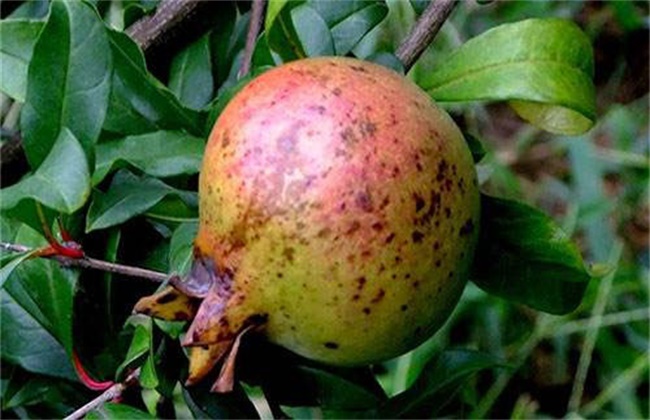
1. Disease symptoms
Fruit rot caused by brown rot fungus infection mostly occurs when pomegranates are near maturity. In the early stage of the disease, light brown water-soaked spots appear on the fruit skin and rapidly expand. A grayish-brown mold layer appears on the diseased part, and the internal arils rot along with it. Diseased fruits often shrink and dry into dark brown to black mummified fruits hanging on the tree trunk, and the branches of diseased plants have spatial canker spots. Fermented fruit caused by yeast also appears during the fruit ripening period and can further develop during storage and transportation. Diseased fruits show no obvious symptoms in the early stage, with only a slight light red color on part of the fruit skin. When the light red part is peeled open, the fruit pulp can be seen turning red, the seeds begin to spoil, and later the entire interior of the fruit rots and is filled with reddish-brown, wine-scented juice. Fruit rot caused by fruit cracking is often seen as rot at the cracked opening, forming molds of various colors.
2. Disease pattern
Fruit rot caused by brown rot mainly overwinters as mycelium or conidia remaining on diseased leaves, residual fruits, and branches. In April-May of the following year, the pathogen spreads through airflow, wind, and rain, thereby invading through stomata and wounds. In addition, insect pests, fruit cracking, and high-temperature and high-humidity environments can also aggravate the occurrence of the disease.
3. Control methods
In winter, clean the orchard, scrape off old bark on the tree trunks, remove dead branches, residual leaves, and diseased fruits in the pomegranate orchard, and burn them in a centralized manner to reduce the pathogen. Before overwintering, spray lime sulfur mixture once on the tree bodies, the orchard site, and the plants around the orchard. When the disease is severe, 0.3% sodium pentachlorophenate can be added to improve the efficacy. In the water season, mancozeb, captafol, and thiram can be used to spray the tree bodies and plants around the orchard, and Guokangbao, neimycins, Wuyi mycin, and antibiotic S-921 can also be sprayed for control, with relatively good results.
The above is an introduction to the control methods for pomegranate fruit rot. We hope it can help you. To learn more related knowledge, please stay tuned to us.