What are the common pest and disease control methods for ponkan?
Ponkan is a very popular citrus variety, and the market demand for it in our country is very large. At present, ponkan is grown in most southern provinces, and although ponkan has strong growth capacity and relatively high yield, it is often troubled by pests and diseases during cultivation. So what common pests and diseases does ponkan have? Below, the editor will give a brief introduction for everyone. Let's take a look!
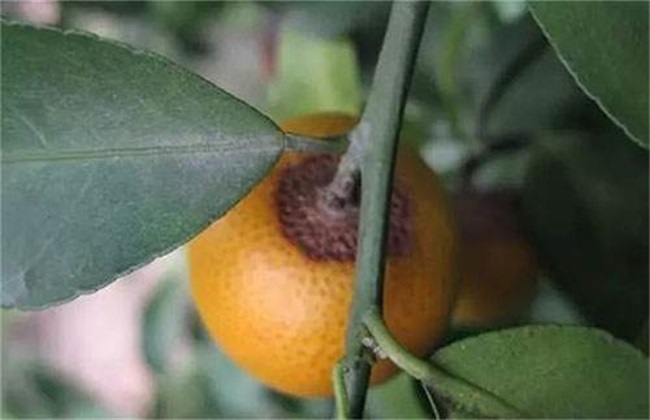
1. Anthracnose
Anthracnose is a disease that occurs in most fruit trees. It can have a great impact on ponkan yield and fruit quality. During cultivation, management work must be strengthened, and nitrogen fertilizer should not be applied in a one-sided way. Before the spring and summer shoots emerge and before the fruit ripens, appropriate spraying should be carried out for prevention. Fungicides such as mancozeb and chlorothalonil can be selected. Spray mainly on the ponkan canopy, generally once about every half month, for about two consecutive months, and it can be effectively prevented.
2. Foot rot
Foot rot is also a common disease of ponkan. Foot rot should be mainly prevented, avoiding excessive water accumulation in the field, and drainage work should be done well. Then prune appropriately to improve the air permeability in the orchard, and also strengthen pest control to avoid carrying pathogens. When planting, it is best to use trees with strong disease resistance, such as trifoliate orange, as grafted rootstock. For plants that have already developed the disease, this rootstock can also be used for replacement. After the disease occurs, the diseased spots should be scraped off in time, and chemicals such as thiophanate-methyl should be sprayed for control.
3. Mite pests
Common mite pests of ponkan include red spider mites, etc. Generally, after ponkan blooms in April each year and around October are the times when red spider mite damage is most serious. Before flowering, when the pest population density reaches two per month, and after flowering and in autumn when it reaches five per leaf, timely control should be carried out. Among the chemicals that can be used are hexythiazox, bromopropylate, etc. Among them, protection work can be done well for natural enemies such as long-whiskered mites.
4. Scale insects
Scale insects include red wax scale, cottony cushion scale, etc. We should often observe the growth of ponkan. During the larval stage of red wax scale, when large numbers climb onto the shoots, it is the most serious damage period. Cottony cushion scale is also a high-incidence period during the larval stage, damaging ponkan branches and fruits, and it will also have a very large impact on the fruit trees. We can use chemicals such as methidathion, chlorpyrifos, and buprofezin. Then improve the air permeability in the orchard and do a good job protecting natural enemies of scale insects such as the red ladybird beetle.
The above is a brief introduction to common pest and disease control for ponkan. In addition to the above, there are also leafminers, aphids, etc., all of which require our special attention. If control is improper, the harm caused will be very great, so everyone must pay more attention. That is all for today's introduction. This article is for reference only. Thank you for reading and supporting.