Detailed Explanation of Key Field Management Points for Ponkan Cultivation
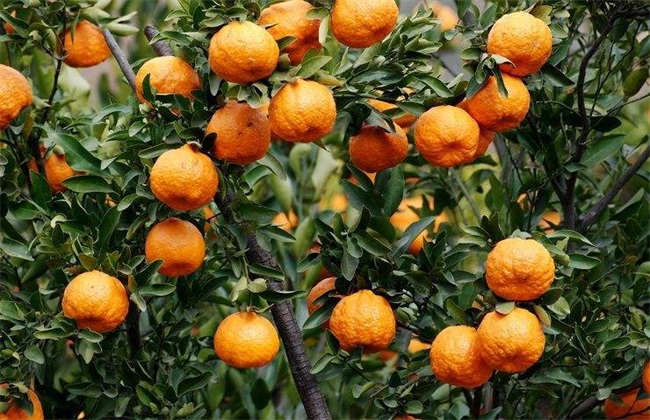
Ponkan is a citrus variety of the Rutaceae family, with thin skin, high sweetness, rich aroma, and juicy, sweet, and delicious fruit. It has a very large planting area in southern China. Moreover, ponkan also has certain medicinal benefits, can supplement the human body with vitamins and other nutrients, and is welcomed by many people. Now more and more people are growing it, so how should ponkan be managed during cultivation? Below, the editor brings you the key field management points for ponkan. Let's take a look!
1. Soil management
Soil has a very large impact on the growth of ponkan. Although ponkan can grow in most soils, the quality of the soil is directly related to ponkan yield and fruit quality. Therefore, before planting ponkan, we should choose well-aerated, fertile, deep, loose soil with normal drainage and irrigation, and then do a good job of land preparation and disinfection. After planting, deep plowing and hole expansion should be done once a year to promote soil maturation. It should be noted that tall crops such as corn must not be interplanted in the orchard; reasonable intercropping should be carried out, and cultivation and weeding should be done well.
2. Scientific fertilization
Fertilization for ponkan is mainly soil fertilization, supplemented by foliar fertilizer. Fertilization methods can include furrow application, strip application, hole application, and various other methods. Control the amount and type of fertilizer according to tree age. For example, when fertilizing young trees, follow the principle of applying more frequently but in small amounts, mainly nitrogen fertilizer, combined with an appropriate amount of phosphorus and potassium fertilizer. Apart from winter, fertilize at least about 5 times. For mature trees, fertilization should be applied about 4 times during the bud break stage, flowering and fruiting stage, and fruit harvesting stage. The amount of fertilizer differs at each stage; for example, at the bud break stage, about 3 jin per tree, and the fertilization amount should be reasonably adjusted.
3. Reasonable watering
Water is also very important for the growth of ponkan. When planting ponkan, we should pay attention to frequent watering to avoid soil drought, and water promptly during drought. However, the amount of watering should not be too much; keeping the soil moist is enough. If there is a rainy season or excessive watering causes waterlogging in the field, then drainage should be done promptly to avoid root rot affecting the growth of ponkan, reducing the number of flowers and fruits of ponkan, and affecting planting benefits. In summer when temperatures are high, because water evaporates quickly, the amount of watering should be appropriately increased in summer, or rice straw can be used as mulch to reduce the evaporation rate of water.
4. Proper pruning
Ponkan trees are large, so we also need to do a good job of pruning during cultivation. Pruning should be reasonably adjusted according to tree age. When pruning young trees, light pruning should be the main method, selecting the central extended branch and the main and auxiliary branches, and carrying out one heavy heading back. Adjust the growth direction of the pruning bud to ensure balanced growth of each main branch. Then appropriately thin out excessively dense branch groups. If it is a tree that has just begun to bear fruit, then the main extended branches should continue to be headed back. Remove summer shoots and promote autumn shoots, mainly by methods such as girdling and root cutting.
The above is a brief introduction to the key field management points for ponkan cultivation. The field management work for ponkan is very important and directly affects the yield of ponkan, so it is also closely related to one's own interests, so everyone must pay more attention. That is all for today's introduction. This article is for reference only, and I hope it can help everyone!