How to Germinate Watermelon Seeds? A Detailed Guide to Practical Germination Methods
Watermelon is a common and well-loved national fruit, and large areas are planted with it every year across various regions. Watermelon cultivation generally starts from sowing seeds, and the seeds can be treated before germination, so how to treat the seeds to make them germinate is also a question worth exploring. Different varieties differ in germination time and other aspects. Therefore, a comprehensive consideration is needed.
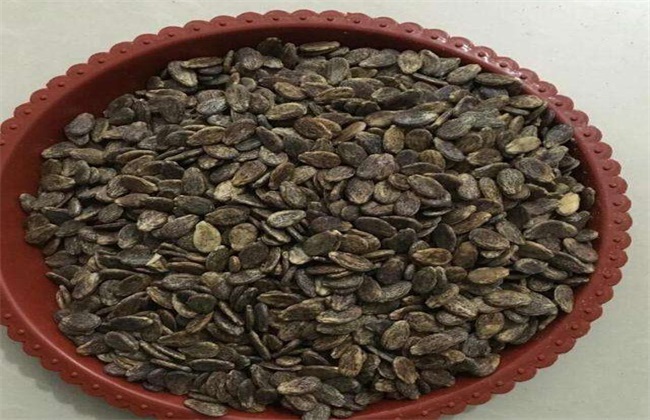
1. Sun-drying the seeds
Before treating the seeds, they need to be sun-dried. Sun-drying should not last too long; generally just a few hours, to dry off some of the moisture inside the seeds. During sun-drying, turn the seeds so they are heated evenly and lose water evenly. Do not dry only one side. This makes the seeds easier to germinate and is beneficial for soaking.
2. Soaking the seeds
For soaking, the seeds must be soaked in warm water, generally at a water temperature of around 50°C. For thinner-skinned seeds, the water temperature can be adjusted; in any case, it must not damage the seeds, and generally the water temperature will gradually drop. Soak with stirring; after a while, once the water temperature drops, you can stop stirring and just let them soak.
3. Germination with heat preservation
Once the seeds have absorbed water and swollen, they can be germinated, roughly one to two days after soaking begins. Germination is mainly done by keeping them warm, and there are many methods. For example, a common one, if conditions allow, is to drain the seeds, wrap them in gauze, and germinate them in an insulated box set to between 22 and 25°C, washing them once a day; after a few days they sprout. Or there is body-temperature germination: generally the seeds are wrapped in a damp cloth, then wrapped in a well waterproofed cloth bag, and carried against the body, relying on body temperature to germinate them; you can check on them, and remove them once they sprout. Most germination methods are warm-temperature germination.
4. Rapid germination
If the sowing period is almost over but you still want to sow, you can also germinate the seeds urgently and plant them after rapid germination. But the seeds need some special treatment: after soaking, use small scissors to artificially break open the seed coat at the top end; just cut a small opening, without damaging the inside of the seed. Then put them in an insulated box to germinate, so they whiten and sprout relatively quickly.
5. Sowing
Seeds that have germinated and whitened should be sown. One thing to note: the sprout should face downward, or be covered with a thin layer of sand, otherwise the new sprout is prone to losing water and dying. It is best to sow in containers, not in the open ground; container sowing is easier to manage and also saves seeds. After sowing, directly prepare a fine-sand growing medium, which makes growth easy and retains moisture. This is beneficial for seedling emergence.
The seed coat of watermelon seeds is of medium thickness, so soaking actually does not require too high a temperature; hot water is mainly for disinfection. You can also choose to soak them in a disinfecting solution. Germination is mainly warm-temperature germination, and it is not limited to one method.