A Detailed Guide to Abiu Planting Techniques and Management Methods
Abiu, also known as Yamei fruit, Yamei fruit and so on, is a typical tropical fruit and a fruit tree with great development potential. It is planted on a fairly large area in China's tropical provinces. Abiu is very rich in protein, fiber and various other nutrients, and its current market price is relatively high. So how should abiu be planted? Below, the editor brings you the planting techniques for abiu. Let's take a look!
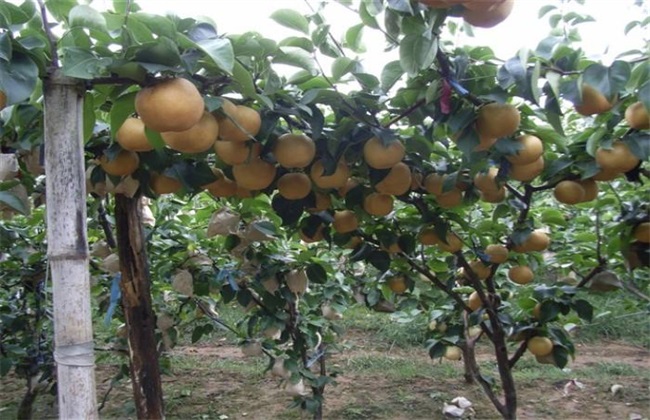
1. Preparation Before Planting
First, be sure to choose a flat, sunny spot, with loose topsoil and a thick lower layer, to ensure the soil's water retention and permeability. It is best to ensure the soil is rich in humus and that there is an adequate water source nearby. After choosing the soil, carry out land preparation, generally mainly by complete clearing. During land preparation, this should be combined with the application of base fertilizer; after applying the base fertilizer, mix the soil and fertilizer evenly. Then also pay attention to disinfecting the soil, eliminating pathogens and insect eggs in the soil, and reducing the threat of pests and diseases.
2. Sowing and Raising Seedlings
After completing the soil preparation work, it is time to begin sowing and raising seedlings. First, likewise, prepare a seedbed. The seedbed must ensure adequate light and normal drainage and irrigation, then the seedbed soil should mainly be granular; rake it level, then water it thoroughly once. The sowing method for abiu is mainly broadcasting; after evenly and thoroughly scattering the seeds over the soil, cover the seeds with a layer of farmyard manure, then cover with plastic film, and seedlings will emerge in about 10 days.
3. Timely Transplanting
After the abiu seedlings emerge, do a good job of seedling management. When the seedlings grow to about 30 cm tall, they can be transplanted. When transplanting, be sure to transplant mainly with soil, to avoid damaging the roots and stem base of the saplings. This can also ensure the survival rate of the saplings after transplanting. Also note that before transplanting, part of the branches and leaves of the abiu should be pruned off, and the planting spacing of rows and plants should be controlled at about 2*3 m.
4. Field Management
We should reasonably adjust management methods according to the growth stage of the abiu tree. During the young tree stage, topdressing should be done once a month, but be careful to control the amount of fertilizer to avoid fertilizer burn. Then control water well and do a good job of pruning, mainly pruning old and weak branches and pest- and disease-affected branches, to ensure the healthy growth of side branches. In the third year, the abiu enters the mature stage. After the mature stage, the main thing is to manage the flowering and fruiting period well, and water and fertilizer management must likewise not be neglected.
The above is a brief introduction to abiu planting techniques. When planting abiu, we should also pay attention to doing a good job of pest and disease control, such as for scarab beetles, to protect the normal growth of abiu. That is all for today's introduction. This article is for reference only, and we hope it can help you!