A Complete Analysis of Gooseberry Planting Techniques and Management Methods
Gooseberry is a type of berry, also known as currant and thorny plum. Its nutritional content is extremely high, rich in vitamins and bioflavonoids, and it can boost immunity and also has a certain preventive effect on cardiovascular diseases. So how should gooseberry be planted? Let's take a look together.
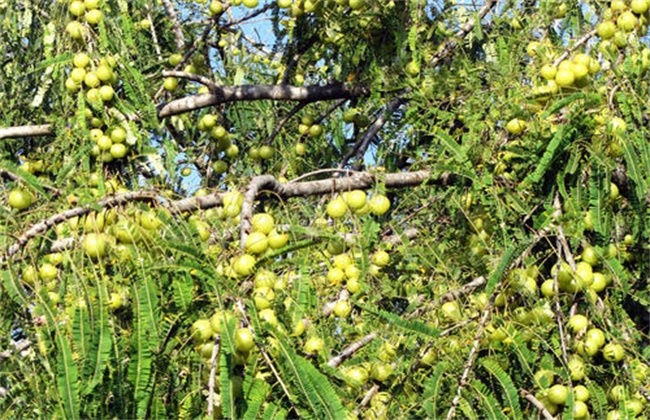
1. Site Selection and Planting
Gooseberry prefers neutral and slightly acidic soil, requires loose and fertile soil, and appropriately increasing the humus content in the soil and thickening the soil layer can promote the growth and development of gooseberry. Choose flat terrain with sufficient sunlight for planting in the orchard, with slopes not exceeding 10 degrees. Avoid planting in low-lying, shady areas, places with poor drainage, or places with serious pests and diseases.
2. Fertilizer and Water Management
During the growing period, gooseberry should be loosened and weeded frequently. The base fertilizer should preferably be mainly farmyard manure. Dig trenches on both sides of the plant clump or between two plant clumps, put the farmyard manure directly in, cover with soil and water. Topdressing is generally done twice a year. Before budding, urea-based nitrogen fertilizer should be the main type to ensure normal plant growth. After flower drop and during the fruit growth period, nitrogen fertilizer application should be controlled to avoid excessive vegetative growth of branches and leaves, which would affect fruit growth and development. More phosphorus and potassium fertilizer should be applied to promote fruiting. Where irrigation conditions exist, it is best to maintain soil moisture content at around 75%-80%. When waterlogging occurs, drainage should be carried out in time.
3. Pruning
The gooseberry plant clump grows vigorously. In spring, new shoots emerge from the rhizome. In order to ensure vigorous growth of new shoots and save nutrients, old branches need to be pruned in time. Generally, pruning old branches only requires leaving 4-5 buds and cutting back. After that, the plant clump forms clumps of various levels, and branching can reach more than 7 levels at most. However, one point to note is that newer branches are not necessarily better for overwintering. The higher the branch level, the weaker the growth capacity and the lower the yield. Therefore, timely handling is needed to achieve the best yield and quality.
4. Pest and Disease Control
The main pests and diseases of gooseberry are powdery mildew and clearwing moth. Powdery mildew mainly harms leaves and forms a white mold layer on the leaves. After a long time, the white color changes to dark brown, with black particles scattered on it, and it spreads to petioles, fruit stalks, and branches. Therefore, during planting, rational close planting, more ventilation, and ensuring sufficient sunlight are needed. When the disease occurs, special trazole solution can be sprayed. Clearwing moth causes gooseberry plants to wither and fall, and flowers, fruits, buds, and leaves to fall off and wilt. Diseased dead branches can be cut off and diluted malathion solution sprayed for control.
The above is an introduction to gooseberry planting techniques. We hope it can help you. If you want to learn more related knowledge, please follow us.