How to store peaches for longer? Sharing a few practical preservation methods
Peach growers all know that peaches do not undergo strong physiological after-ripening, and artificial ripening does not work well, so they can only be harvested once ripe. However, if they are to be transported to other places for sale, transportation is unavoidable. During transport, to prevent diseases such as brown rot and fruit rot from causing the fruit to spoil, some methods of preservation treatment are needed to keep the fruit fresh and thus ensure fruit quality. So now let us start learning about the specific methods of peach preservation.
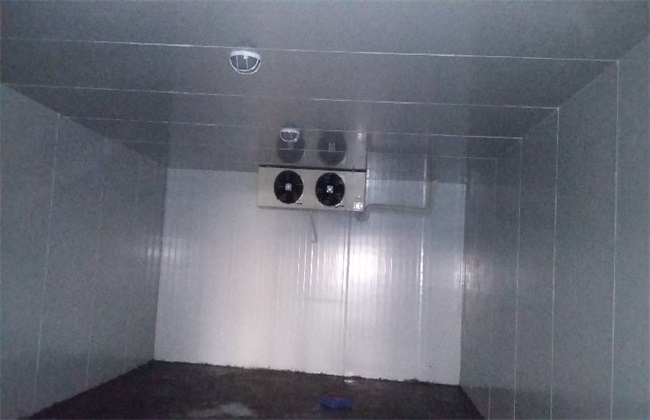
1. Cold storage
Keeping the temperature at around 0 degrees and the humidity above 90% can preserve peaches. During transport, temperature-controlled transport vehicles can be used for this purpose. After arriving at the destination, they should be quickly moved into your own temperature-controlled warehouse. This low-temperature cold storage can keep them for more than 20 days, which is completely sufficient for transport time, but this method causes peaches to lose some of their taste. It also requires sufficient conditions.
2. Controlled atmosphere
Not only is a low temperature of 0 degrees needed, but also 2% oxygen and 5% carbon dioxide. Under such an air environment, the taste of the peaches can be kept from disappearing and the flavor will not be lost. The storage time is the longest, roughly able to preserve them for 2 months. However, they need to be placed inside a controlled-atmosphere tent. They cannot be taken out, otherwise the effect will not be good.
3. Cellar storage
In northern regions there are ice cellars that can be used for storage, maintaining 0 degrees to 1 degree. After sealing well with insulating materials, they can be preserved for about a month. Note that insulating materials must be used, and also note that the temperature must not go high and then low; it must be kept constant, and fluctuations must not be too large. The requirement is that the ice cellar temperature must not be too low, as it is prone to freezing, and once frozen, the fruit will rot when thawed.
4. Chemical treatment
During transport and storage, peaches are prone to brown rot, so they should be soaked in a chemical agent before preservation, so that they will not develop disease and rot frequently. Use a 0.1% benomyl suspension and soak for 25 minutes. Note that this must be done under a temperature of 40°C; this can prevent rotting. However, if treating the fruit directly with chemicals is not for disease prevention, it is not recommended, for fear of chemical damage to the fruit.
5. Points to note
During transport and storage, handle gently when moving; do not crush the fruit or cause wounds, as they spoil easily. Do not store overly ripe fruit; they can be harvested when nearly ripe. Chemical agents are generally rarely used, mainly for disease prevention. The storage place must be one that does not receive sunlight, otherwise they spoil easily. When harvesting, remove the rotten peaches.
For peach preservation, if only a small amount is purchased, simply putting them in the refrigerator is fine, but for large-volume transport, storage after purchase, situations requiring preservation, or those that cannot be sold for the time being, some method of preservation must be used to ensure the fruit quality remains normal.