Detailed Explanation of Key Management Techniques for Young Orange Trees
Orange is one of the four famous fruits in the world, originating in the southeast of our country. It is a citrus of the Rutaceae family and is widely cultivated. The management of young orange trees affects the future tree vigor and yield. So how should young orange trees be managed? Let's learn about it together.
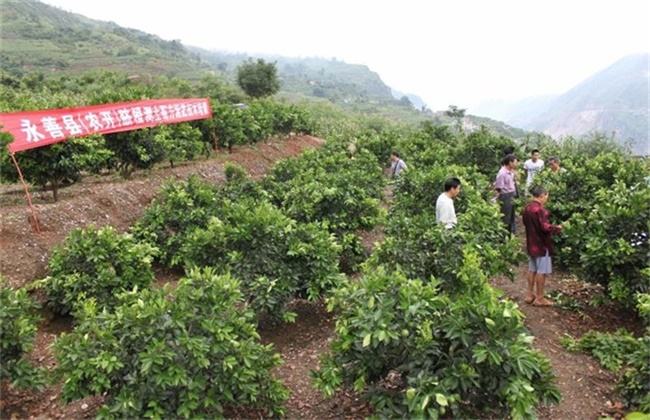
1. Soil Management
To make young trees grow robustly, you need to find ways to promote their root growth. This can be done by expanding the planting holes and improving the soil. Dig fertilizer pits along the outer edge of the fruit tree, 1-1.2 m long, 40-50 cm wide, and 40-50 cm deep. Apply sufficient fertilizer to each tree, which also benefits root growth. Each year, carry out 1-2 deep plowing and soil improvement sessions combined with deep fertilization. At the same time, plant two seasons of green manure between the rows, carry out 3-4 times of intertillage and weeding each year, cover the tree disc during high temperature and drought, and ensure good drainage in the orchard during the rainy season.
2. Fertilization
Trees 1-3 years old are in the growth period. At this time, the main purpose of fertilization is to enhance the vegetative growth of the tree, promote the sprouting of robust branches, and enable rapid expansion to form a high-yielding tree shape. Fertilization should follow the principles of frequent application, light application, small amounts with more frequent meals, mainly nitrogen fertilizer, with appropriate phosphorus and potassium fertilizer. You can use diluted decomposed bran manure water + 0.1%-0.3% urea or compound fertilizer solution for drenching, once every 15-20 days. As the tree age increases, the amount used goes from small to large, and the concentration goes from dilute to concentrated. Each year, topdressing should be carried out according to the growth period of the young trees to promote the sprouting of robust branches. When new shoots turn green, spray potassium dihydrogen phosphate foliar fertilizer combined with pest and disease control to promote the maturation of new shoots.
3. Training and Pruning
Young trees are also a stage in young tree management. Through pruning, the canopy is enlarged, a good tree shape is created, and a foundation is laid for high yield. Summer orange should adopt a natural round-headed tree shape. Cut the top at a height of 30-40 cm on the trunk to set the trunk. After new shoots sprout, select and keep 3-4 robust, evenly distributed branches on the trunk as main branches. Each main branch should be configured with 2-3 secondary main branches to form a good, strong canopy framework with strong bearing capacity. In addition, timely bud removal and shoot control should be carried out. For young trees planted in the same year, after the first batch of shoots matures, during the summer and autumn shoot periods, remove scattered new shoots that sprout early, so as to release shoots uniformly, make new shoots sprout neatly and robustly, and reduce damage from leafminers and aphids. In addition, prune away remaining weak branches and improperly positioned water sprouts, crossing branches, and diseased and pest-infested branches.
The above is an introduction to the management techniques for young orange trees. We hope it can help you. For more related knowledge, please stay tuned to us.