How to Grow Dragon Fruit? A Detailed Guide to Planting Methods and Techniques
Dragon fruit is a very popular fruit in China. Dragon fruit has relatively high nutritional value, so market demand is large, and the planting area is also constantly expanding. Moreover, more and more people want to start growing it on a large scale, but they do not know how to grow it. So today I bring you the planting methods for dragon fruit. Below I will give a brief introduction. Let's take a look!
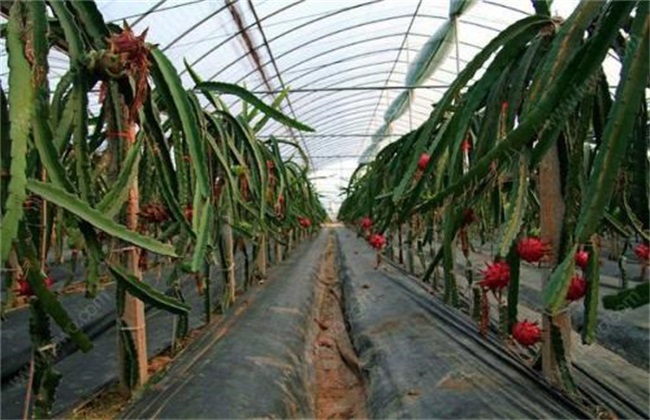
1. Site Selection and Trellis Building
Dragon fruit is a typical tropical fruit, so the first thing we need to consider before choosing a site is temperature. The temperature around the planting site should not be too low, and there must be sufficient sunlight and an adequate, clean water source nearby. The soil should have good drainage, irrigation and permeability. After choosing the planting site, prepare the land properly by deep plowing and breaking up and leveling the soil. Because dragon fruit is a vining fruit, we also need to do a good job of building trellises, keeping the trellis height at about 1.5-1.8. Later, the trellis can be adjusted appropriately according to the growth of the dragon fruit, which makes management easier and harvesting more convenient.
2. Planting and Management
Before planting dragon fruit, we need to do a good job of managing the field where it will be planted, likewise by deep plowing the soil and spraying medicine to disinfect it. Then apply sufficient base fertilizer, mainly by hole application. Generally, fertilizer holes are dug below the trellis, and about 6kg of farmyard manure is applied into each fertilizer hole. Then cover with soil to retain the fertilizer, with the soil cover about 10cm above the ground. When the soil cover gradually becomes level with the ground, planting can begin. Be careful to control the planting depth; it must not be too deep, to avoid reducing the survival rate. After planting, water once with rooting water and cover with some rice straw to avoid loss of water and fertilizer.
3. Fertilizer and Water Management
After dragon fruit is planted, pay attention to watering well and keep the soil moist. Dragon fruit has a relatively large demand for fertilizer during growth, so we also need to do a good job of fertilizing during cultivation. During the seedling stage of dragon fruit, because the seedlings have relatively weak absorption capacity and resistance, the amount used should be controlled, following the principle of applying more frequently but in small amounts. Then, when the seedlings grow to about 20cm, apply organic fertilizer once a month. After entering autumn, the growth vigor of dragon fruit decreases, and at this time the amount of fertilizer can be appropriately reduced or even not applied. However, pay attention to watering, but the water should not be too much either; if there is too much water, drain it promptly.
4. Pest and Disease Control
Dragon fruit actually has relatively strong disease resistance, and under normal circumstances pests and diseases rarely occur. However, if management is poor, the chance of dragon fruit being harmed will also increase. So we still need to do a good job of pest and disease control, spraying fungicides and insecticides evenly throughout the orchard every month to strengthen prevention. When signs of disease are found, corresponding measures should be taken, cutting off the affected parts to prevent pathogens from spreading to other healthy plants and expanding the affected area, and then spraying the corresponding agents appropriately for control.
The above is a brief introduction to how to grow dragon fruit. The planting method for dragon fruit is actually relatively simple, but because of its requirements for environment such as sunlight and temperature, many places cannot grow it, so everyone must pay close attention. That is all for today's introduction. This article is for reference only, and I hope it can help everyone!