Detailed Explanation of Key Points of Banana Storage and Ripening Techniques
Bananas are generally transported from growing areas in the south to other regions that do not produce bananas. Only bananas with hard peels that have not yet fully ripened can be transported; fully ripe bananas cannot be transported, because ripe bananas do not store well and rot easily, and may rot on the way during transport. Therefore, after being transported to the destination, they need to be ripened before sale. During this period, both storage and ripening involve certain particular requirements and methods. This article mainly introduces the storage and ripening process to everyone.
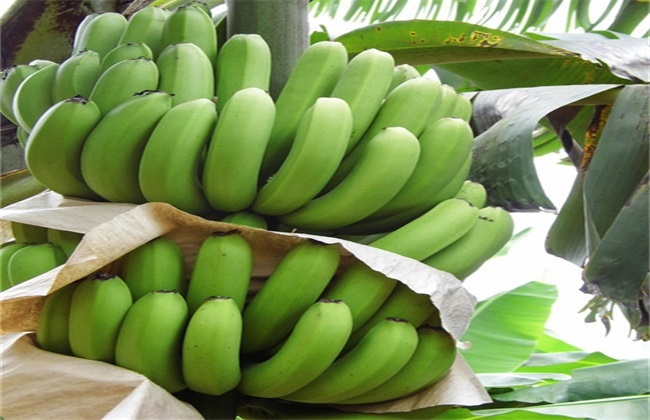
1. Storage temperature
The most suitable temperature for banana transport and storage is 13 degrees. Higher or lower temperatures are both unfavorable. High temperatures easily cause rotting and blackening, and eventually the bananas become inedible. Low temperatures below 11 degrees easily cause cold damage. After cold damage, the inside of the fruit becomes hard and ripening is not easy. Because bananas are a tropical fruit, the most suitable temperature must be maintained.
2. Storage method
Use a vehicle with adjustable temperature for transport. After the carriage is cleaned, load the bananas in boxes, then adjust the temperature to 13 degrees. After transport to the destination, they can immediately be placed in a basement or a temperature-controlled storage room. If the indoor space is large, do not stack them; they can be spread out separately. If the space is small, they can be placed basket bottom against basket bottom, because the bottom of commonly used banana baskets is smaller than the lid, so there will be some gaps, allowing air circulation, which is beneficial for storage and makes spoilage less likely.
3. Ripening humidity and temperature
During ripening, a certain humidity and temperature must be maintained to achieve good ripening. Generally, the ripening humidity is kept at about 85% to 90%. If the humidity is below 80%, the ripening effect is affected and ripening may not be very good. The most direct way to maintain moisture is to spray water. Water can be sprayed at regular intervals to maintain humidity continuously. A sprayer can be used to spray water, and the moisture is easily absorbed and relatively even. The ripening temperature should be kept at 20 to 22 degrees, not too high and not too low.
4. Ripening method
At the start of ripening, temperature must be controlled. When the temperature rises, water can be sprayed to lower it, or ventilation can be used to lower it. If temperature-control conditions are available, it is relatively easy to control. If the temperature is too high, bananas soften very quickly, but chlorophyll does not disappear, and the fruit becomes softened green-skinned fruit that cannot be sold. If the humidity is too low, ripening cannot occur. The main ripening method is the ethylene gas filling method. Spray 40% ethephon evenly with a sprayer at a concentration of 1500×10-6. After completion, pile them together, then cover with plastic sheeting. After sealing well, ripening will be completed in about three days.
Bananas must be stored at a temperature of 13 degrees. For ripening, 20 to 22 degrees must be maintained, and the humidity must be above 80% for good ripening. The main ripening method is sealed ripening by spraying ethylene. There are some small details that need attention, so it is best to operate according to the procedure.