Causes of Deformed Melons and Control Measures
Deformed melons are a common phenomenon during the growth period of melons, causing malformed fruit, seriously affecting the yield and quality of melons, bringing considerable trouble to farmers and reducing their income. So what causes deformed melons? How should they be controlled? Let's find out together.
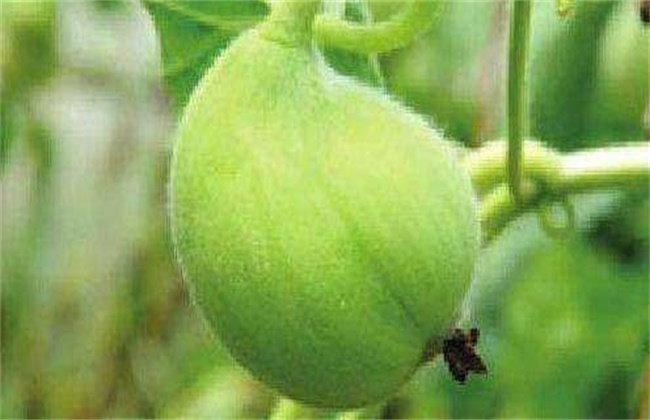
Causes of Deformed Melons
1. Poor pollination
When pollination is poor or pesticide spraying is uneven, seeds concentrate on one side of the melon, causing the side with more seeds to receive sufficient nutrients and grow faster, while the other side receives insufficient nutrients and expands more slowly, resulting in uneven expansion on both sides of the melon and the formation of deformed fruit.
2. Uneven temperature distribution
Uneven surface temperature of the melon can also cause deformation. The side facing the sun has a higher temperature and expands faster, while the shaded side expands slowly due to too low a temperature, forming a deformed melon that is large on top and small at the bottom. In addition, under low temperatures and insufficient nutrients, deformed melons are also very likely to form.
3. Too many fruits set
Setting too many fruits leads to insufficient nutrient supply for the plant. Those receiving more nutrients grow quickly, while those receiving less grow slowly, forming deformed melons.
4. Plant damage
When melons are expanding, local damage can also cause slowed growth in that area, thus forming deformed melons.
5. Pests and diseases
When insufficient fertilizer and water supply leads to weak vine growth or pest and disease damage, during fruit setting, the small effective area of the vines results in insufficient nutrient supply to the fruit, forming deformed melons.
Control Measures
Poor pollination can be addressed through artificial supplementary pollination to ensure sufficient pollen and avoid the shortcoming of uneven pollination in natural pollination, preventing the formation of deformed melons. When temperature is uneven, turning the melons can ensure even light exposure around the fruit, preventing excessive temperature differences on the melon surface from causing deformation. Vine protection and growth maintenance should be done well, fertilizer and water supply should be strengthened, pest and disease reproduction should be controlled, and good ventilation should be maintained. At the same time, excessive vegetative growth of the plant should be prevented, measures to promote fruit setting should be taken, and preventing fruit-setting nodes from being too far apart can also prevent the occurrence of deformed fruit. Also, when too many fruits are set, thinning the fruits and keeping a reasonable number of fruits can ensure balanced plant load.
The above is an introduction to the causes of deformed melons and control measures. We hope it helps you. For more related knowledge, please stay tuned to us.