A complete analysis of the cultivation techniques and management methods for kumquat
Kumquat, also known as small-leaf kumquat, is an evergreen shrub whose crown is round-topped and whose branches are upright, spreading and dense. It is a popular gift for people seeking good luck and fortune during festivals and holidays. It has strong shade tolerance, strong stress resistance and tolerance of extensive management. Its fruit is large and beautiful, golden in color, bright and tasty, and has the effects of resolving phlegm and relieving cough, soothing the heart and moistening the lungs, beautifying the complexion and promoting digestion; its peel also has medicinal value. So how should kumquat be planted? Let us learn about it together.
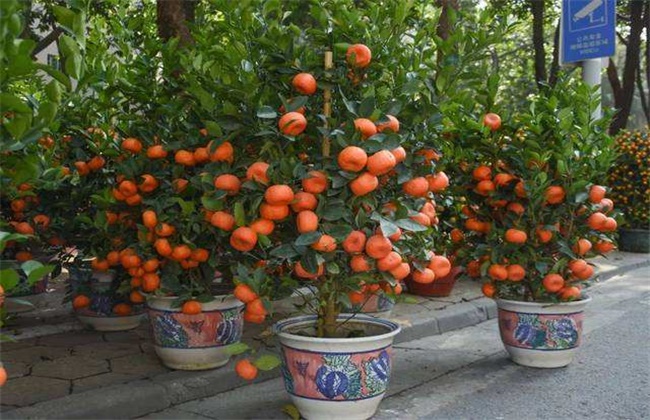
1. Site selection and orchard establishment
Kumquat cultivation requires deep soil with a pH value between 5.5-7, and the orchard terrain should be below 25 degrees. Orchard planning should include roads, drainage and irrigation facilities, and several small points should be noted when establishing an orchard in a place with good transportation and water source conditions. First, pay attention to the planting time, generally planting after the autumn shoots mature in -11 month or before the spring shoots sprout in 2-3 month. When planting, reasonable close planting should be adopted, generally using a density of 3m×4m between plants and rows. Before planting, dig holes and apply fertilizer to ensure the needs of young tree growth. When planting, after moderately pruning the seedling roots, place them in the center of the planting hole, spread the roots, hold the plant upright, and while filling soil, gently lift the seedling upward and firm the soil so that the roots are in close contact with the soil, then water thoroughly to settle the roots.
2. Fertilization
Generally, kumquat bears fruit after three years, and the fruiting time is generally in August. At this time, the fruit expands rapidly and the demand for water and fertilizer is extremely large, so for plants that bear more fruit and have yellowing leaves due to deficiency, a heavy application of fruit-strengthening fertilizer should be made once. Generally, apply 1-2 jin of compound fertilizer or 0.2 jin of urea per plant, and dig a ring-shaped fertilization ditch 1-1.2 m long outside the drip line of the crown for fertilization. For each adult tree, apply 1 jin of compound fertilizer and 0.2 jin of urea. When the autumn shoots grow to 8-10 cm, apply 0.3 jin of phosphorus-potassium compound fertilizer per plant to promote the maturation of the autumn shoots.
3. Irrigation and drought resistance
In autumn, the temperature is relatively high, the sunshine duration is long, and the light is strong, so it is best to carry out ground mulching to preserve warmth and moisture. A 10-15 cm thick layer of rice straw or weeds can be spread around the tree basin. In case of autumn drought, when there is no rain for a long time, timely irrigation should be carried out, preferably in the morning and evening. At the same time, autumn is a period when typhoons occur frequently, so attention should be paid to promptly clearing drainage ditches before a typhoon arrives to avoid water accumulation and root rot.
4. Pest and disease control
8-10 is the high-temperature season, and it is also the peak period for kumquat pests and diseases. At this time, there are many pests and diseases, so inspections should be frequent and timely control should be carried out, using high-efficiency, low-toxicity and low-residue pesticides as much as possible. Attention should also be paid to alternating the use of pesticides to avoid resistance.
The above introduction to kumquat cultivation techniques is hoped to be helpful to you. To learn more related knowledge, please follow us.