Key Points of Watermelon Grafting Technique and Detailed Operation Methods
In watermelon cultivation, grafting seedlings before planting is done to prevent diseases and to obtain certain superior traits. Generally, pumpkins are used to graft watermelons, because pumpkin root systems are strong, and grafting brings certain benefits to the watermelon itself. The specific operation methods of watermelon grafting are the main content introduced in the following article. Let's learn about them together!
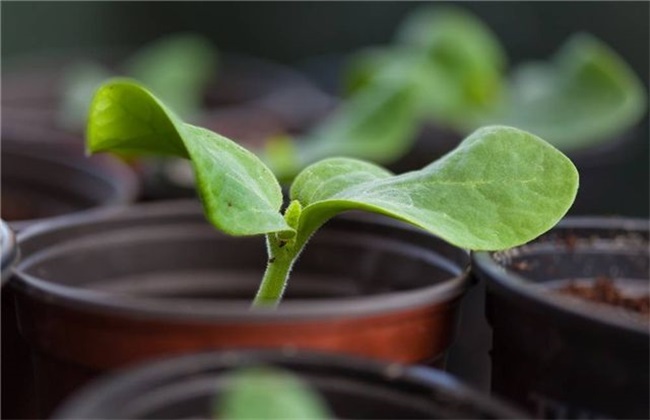
I. Selecting Rootstock
First, select the watermelon variety to be grafted, and choose pumpkin, bottle gourd, or winter melon as rootstock. Generally, pumpkin is chosen more often, so here pumpkin is used as an example for introduction. Choose a pumpkin variety with strong adaptability and excellent variety traits as rootstock.
II. Soaking Seeds to Promote Germination
First, soak the pumpkin seeds to promote germination, then sow and raise seedlings. It is best to use container seedling raising, as it is easier to manage. After sowing and emergence, you can begin soaking the watermelon seeds, then sow them. When the pumpkin seedlings grow to two true leaves, the watermelons have just about emerged, so the pumpkins will not be too old. Pumpkin can be soaked and stirred in 60°C hot water, and watermelon soaked in 50°C hot water for disinfection. Then both need to be soaked in warm water at about 25°C. After the seeds absorb water and swell, they can be washed, drained, wrapped in wet gauze, and placed in an insulated box to promote germination, taking them out to rinse once a day.
III. Preparing Nutrient Soil
For container cultivation, it is best to prepare some nutrient soil for growth. Use soil, river sand, peat, pond mud, and some decomposed peanut shells, mixed together as nutrient soil. After mixing, it can be spread out to dry on clean ground, and formalin can be sprayed on the nutrient soil to disinfect and sterilize it. After three days, it can be put into containers for sowing.
IV. Tool Preparation
Prepare some razor blades, as well as bamboo skewers. The bamboo skewers should be a bit smaller than the pumpkin stems. Also prepare disinfecting alcohol, cotton swabs, flowers, or cotton. One blade can be broken into two for two people to use. The bamboo skewers must be smooth, not rough, and one end must be whittled into a slanted cross-section. Then also prepare some bamboo strips and plastic bags. After grafting is completed, bamboo strips need to be arched up and covered with plastic bags.
V. Grafting
The main introduction is the common insertion grafting method, because this method is convenient, fast, and has a high survival rate. First disinfect the tools, then use a blade to cut off the top growing point leaves of the pumpkin, then you can apply some alcohol, and use a bamboo skewer to insert diagonally about 2 mm below the pumpkin growth point. Remove the bamboo skewer, then use a blade to make a diagonal cut on the watermelon seedling about 1 cm below the cotyledons, then insert the watermelon seedling into the pumpkin growth point, being careful not to let it fall, and the watermelon seedling stem should not be too large. Afterward, use bamboo strips to build up a plastic film cover, or place it directly in a small arch shed for cultivation.
For watermelon grafting rootstock, suitable cucurbit plants can be selected. There is more than one grafting method, but insertion grafting is the easiest to survive, has relatively simple procedures, and is the most convenient for production use. Therefore, this grafting method is mainly introduced.