How to grow Hovenia dulcis for high yields? These cultivation measures you need to master
Many of us ate Hovenia dulcis as children. Its fruit tastes sweet with a hint of color, and it can also be used in soup, with a fairly good flavor. In the past most of it grew wild, but now it is basically nowhere to be seen, and in many areas it is now cultivated artificially. However, many people do not get high yields. Let's take a look below with the editor at the high-yield measures for growing Hovenia dulcis.
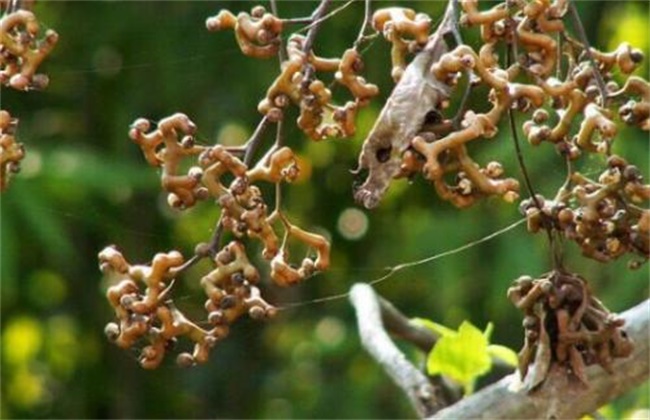
1. Sowing and sprouting, mulching film at the seedling stage
Hovenia dulcis is generally sown in spring from February to April. Because the temperature rises slowly at this time, the seed stems sprout slowly, so the seed stems should be sprouted before sowing. Sprout them indoors in a hotbed, keeping the temperature at 20°C, and they will sprout in half a month. You can also build a frame outdoors for sprouting, keeping the temperature between 20-25, treating continuously for 15 days, until the seed coleoptile turns white. After sowing, cover with plastic film. The film only needs to cover the rows where the seed stems are planted. Remove it after the seedlings emerge evenly, so as not to affect normal emergence.
2. Timely drainage and irrigation, topdressing on schedule
Hovenia dulcis likes a humid environment, is tolerant of fertilizer, and fears waterlogging. Before planting, water the planting site thoroughly once to help seedlings emerge. During the seedling growth period, keep the soil moist. Water promptly during drought, and drain promptly during the rainy season to avoid waterlogging in the field causing seedling death. Fertilizer is mainly farmyard manure. In addition to applying sufficient base fertilizer, topdress twice during the growth period. The first topdressing is in May-June, when bulbils grow on the inner side of the lower part of the leaf stalk, applying 2000 kg of decomposed farmyard manure and 25 kg of cake fertilizer per mu. The second is in August, when new buds emerge and new roots grow, applying 20 kg of decomposed cake fertilizer, 15 kg of superphosphate, and 10 kg of urea per mu.
3. Intercropping with tall crops
Hovenia dulcis is a shade-tolerant crop. It grows well in shaded environments and yields relatively high, so plant it on a gently sloping field with half shade and half sun. If planting on flat land, you can choose to intercrop with young fruit trees, corn, wheat, and other crops to provide shade and create a suitable growing environment.
4. Removing flower buds, delaying dieback
Two months after sowing, the plants will successively bolt and bloom, which easily consumes nutrients. So apart from those kept for seed, remove the flower buds in batches in time, so that nutrients concentrate in the underground tubers, speeding up tuber growth and significantly increasing yield. Under high temperature and strong light, Hovenia dulcis will naturally lodge and stop growing, so delaying dieback is an important measure for high yields of Hovenia dulcis. During cultivation, use appropriate shading and sprinkler irrigation measures to reduce light intensity and air temperature, or spray sodium sulfite solution, which can inhibit plant respiration, thereby shortening the dieback period and reducing the number of diebacks, achieving high yields.
The above is an introduction to high-yield measures for growing Hovenia dulcis. We hope it can help you. To learn more related knowledge, please follow us.