Detailed Explanation of Key Apple Tree Summer Management Techniques
Apples are grown in the northern regions of our country and require a certain amount of low temperatures to grow. The northern climate is suitable for apple growth, but summers in the north are more or less very hot, so summer is a critical period for apple tree management, because temperature differences can cause some effects, especially since in recent years the climate has been somewhat abnormal, with summer in many northern regions almost catching up to the south. In summer we must do the following management work well.
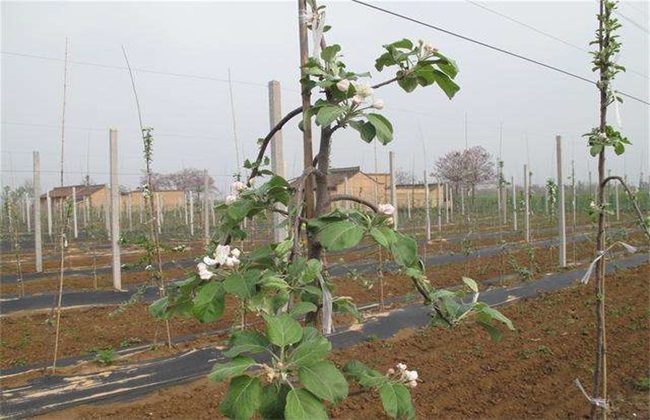
1. Pruning and Adjustment
Summer pruning: branch bending is done to widen the angle of branches, increase internal light, and promote new branch growth; pinching off the tips of new shoots is done to control growth and promote secondary sprouting; removing buds on some extension branches, water sprouts, and downward-hanging branches reduces nutrient consumption; shoot twisting causes mild xylem damage to some branch tips to inhibit growth; ring cutting removes a 3 mm strip of bark from the trunk and main branches to inhibit excessive vigorous growth.
2. Reasonable Supplementary Fertilization
Summer is the peak period of fertilizer demand and also the key period when vegetative growth shifts to reproductive growth, so nitrogen fertilizer needs to be controlled, phosphorus and potassium fertilizer increased, and fertilizer must not be lacking. A fertilizer shortage will affect growth vigor and delay entry into the reproductive growth period. Supplementary fertilization should be done in time roughly between June and July, and it is best combined with foliar fertilization, as absorption and results are relatively quick.
3. Drainage and Irrigation
Summer temperatures are high, so cooling must be carried out. Watering at night ensures the tree's water content, which can enhance its ability to resist high temperatures and heat. Sometimes, to lower the temperature, water can be sprayed in the orchard to cool it down, and spraying water can prevent sunscald damage. If there is a lot of rain, drainage channels should also be cleared, as excessive moisture makes disease prone to occur.
4. Disease and Pest Control
The rainy and high-temperature summer is a period of high incidence of rot disease. The trunk and branches should be inspected, and when diseased spots are found, the surface layer should be scraped off promptly with a knife. After scraping clean, a pesticide should be applied to the wounds, and the scraped bark should be collected and burned to avoid contagion. Then spray the whole orchard once with a 600-fold Wofeng solution, focusing on the branches and trunk, and then use a Wofengsu adjusted solution to drench the roots of diseased plants. The main pest, the apple small leafroller, severely chews leaves in summer and mainly hides in old bark, so the bark should first be scraped and a 300-fold trichlorfon solution applied.
The main management tasks for apples in summer are to prevent excessive vigorous growth, prevent sunscald, maintain a balance of nutrients and water, and ensure normal growth. At the same time, pay attention to diseases so as not to affect tree health. All of these can ensure that the apples enter the reproductive growth stage in good condition.