Why do melons rot? Causes and prevention methods
After melons are planted and bear fruit, rotten fruit is prone to appear. Sometimes growers do not know the reason. There is no problem with management, yet the melons rot. Most people think it is because after rain and water accumulation, the melons absorb too much and become soaked and rotten, but in fact there are many specific causes, not just this one, so today I will mainly introduce to everyone the detailed causes of melon rot, and how to prevent it.
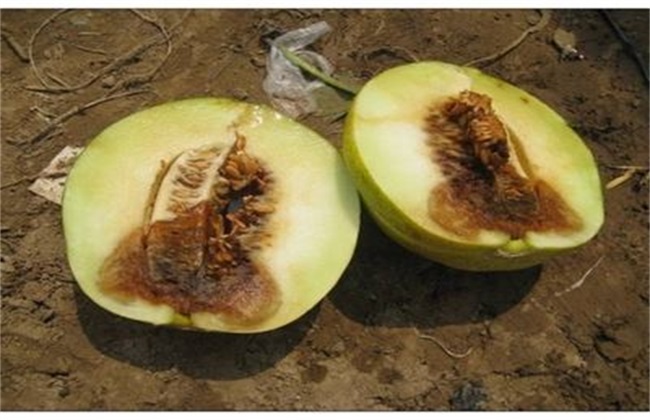
I. Causes
Infection by pathogens causes disease, and then the melons rot. The main diseases causing rot are bacterial angular leaf spot and rot disease. These pathogens can spread through soil and seeds; pathogens on diseased residues can spread through rain splashing and insects; sometimes applying too much potassium fertilizer and nitrogen fertilizer inhibits the absorption of calcium, and calcium deficiency can cause melon rot; improper management, sometimes planting too densely, excessive field humidity, seeds and seedlings not disinfected, poor nutrition and weak growth vigor, and reduced disease resistance make melon rot easy.
II. Preventive measures
1. Disinfection
Sowing seeds should be soaked, soaked in medicinal solution, and purchased seedlings should be sprayed with carbendazim to prevent carrying bacteria. Then seedling trays, culture medium, or seedling beds all need to be disinfected. They can be sun-dried first, and also need to be sprayed with fungicides such as chlorothalonil for disinfection. Diseased residues should be cleaned up in time. After harvest, do not leave diseased residues in the field; the field should be cleaned.
2. Fertilization
Fertilize reasonably, use nitrogen, phosphorus, and potassium in combination. In the early stage, control some nitrogen fertilizer, do not let the plants grow excessively, and also do not use too much nitrogen and potassium fertilizer, which affects calcium absorption, so nitrogen and potassium fertilizer can be appropriately reduced. In the later stage of growth, nitrogen fertilizer use will be reduced a lot, but the later stage needs more potassium fertilizer, so in fact it can be controlled later, and more potassium fertilizer can be applied in the middle stage.
3. Strengthen management
Melons are generally planted on flat land, so they should be planted sparsely, not too densely. Planting sparsely will make field humidity lower and not provide space for pathogen growth; then reasonable fertilization is needed, and topdressing should be done according to the fertilizer requirements of melons at each stage. There must be no fertilizer deficiency, or planting in barren land.
Melon rot is mainly caused by diseases, but if some environmental factors are not properly coordinated, it will create conditions for pathogen growth and reproduction. The environment most favored by melon rot diseases is high temperature and high humidity. Therefore, prevention should start with environmental factors.