Reasons for Low Chestnut Yields and Solutions
Chestnuts have very high nutritional value, and they are grown to some extent in various parts of our country. However, when growing chestnuts, low yields have always been a problem that growers urgently need to solve, and it has had a very large impact on growers' economic benefits. So what exactly are the reasons for low chestnut yields? How can chestnut yields be increased? Below, the editor will give everyone a brief introduction. Let's take a look together!
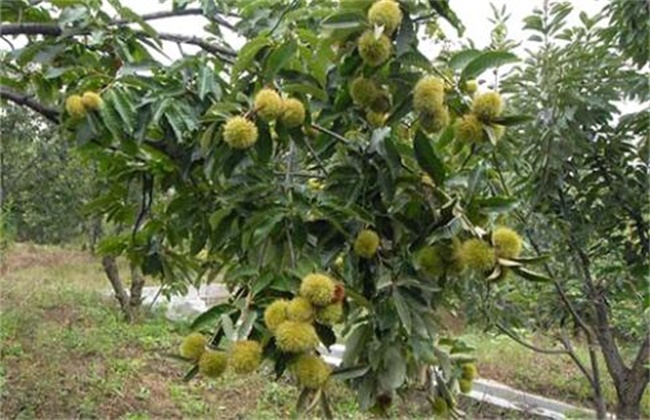
1. Reasons for Low Yields
Imbalanced Growth
Chestnuts have relatively strong growth capacity in spring, especially vigorous growth of branches and leaves. In spring, the growth of chestnut branches and leaves and the growth of flowers and fruits generally proceed at the same time. At this time, if fertilization work is not done well to provide sufficient nutrients for the chestnuts, then the growth of chestnut flowers and fruits will suffer from poor nutrition. Vegetative growth speeds up, reproductive growth is naturally inhibited, and this naturally leads to low chestnut yields, affecting the economic benefits of cultivation.
Poor Pollination
Chestnut is a cross-pollinated plant, and pollination can be carried out on the same tree. The growth and differentiation times of male flowers and female flowers differ. The differentiation of male flower buds is generally completed around the first half of the year, while female flowers are concentrated around April each year. Moreover, under normal circumstances, the number of male flowers far exceeds that of female flowers, making female flowers prone to poor pollination. This is also a direct cause of low chestnut yields.
Other Reasons
Poor soil water and fertilizer retention capacity is also a major factor in low chestnut yields. When the soil is too loose, long rainy seasons can easily lead to soil erosion. Also, if seedling trees are directly used for field planting, then they will at least grow, delaying the fruiting period, and the quality of the nuts will also decline. Then there is tree age. If the trees are too old, tree vigor declines, and a drop in fruit-setting rate is only an inevitable trend. Finally, there is management. If management is not taken seriously, yields naturally will not be very high.
2. How to Improve
Strengthen Management
First, we must do a good job in management work, supplement sufficient nutrients for chestnut trees, mainly nitrogen fertilizer, to ensure balanced growth of chestnut trees. Control moisture well and keep the soil moist, but moisture should not be excessive either. When there is too much moisture, pay attention to timely drainage. If the number of male flowers far exceeds that of female flowers, then before the chestnut trees bear fruit, we should appropriately reduce the number of male flowers to avoid excessive nutrient consumption and promote the growth of female flowers.
Pollination and Pruning
When chestnut trees are pollinated with the same variety, their fruit-setting rate is very low, only about 1/5. If cross-pollination is used, then the pollination fruit-setting rate can reach nearly 9/10. Therefore, when planting chestnuts, we must plant an appropriate number of pollinator trees in the orchard, and the ratio of planting varieties to pollinator varieties can be controlled at 1:3. Then pruning work should be done well, mainly winter pruning and summer pruning, to ensure balanced growth of chestnut trees. Ensure tree vigor, improve the permeability of the tree body, promote chestnut flowering and fruiting, and increase yields.
The above is a brief introduction to the reasons for low chestnut yields and solutions. We must do a good job in management work and enhance the growth capacity of chestnut trees so that chestnuts can set fruit normally. That is all for today's introduction. This article is for reference only, and we hope it can help everyone!