What to Do If Strawberries Get Bacterial Wilt? A Detailed Guide to Prevention and Control
Strawberry bacterial wilt is a disease of strawberries that mainly damages the stem of the plant, so it is also known as strawberry stem wilt. This disease occurs in every strawberry-producing region in China, and in recent years its incidence has gradually increased, seriously affecting the development of the strawberry industry. So how should strawberry bacterial wilt be prevented and controlled? Let's take a look.
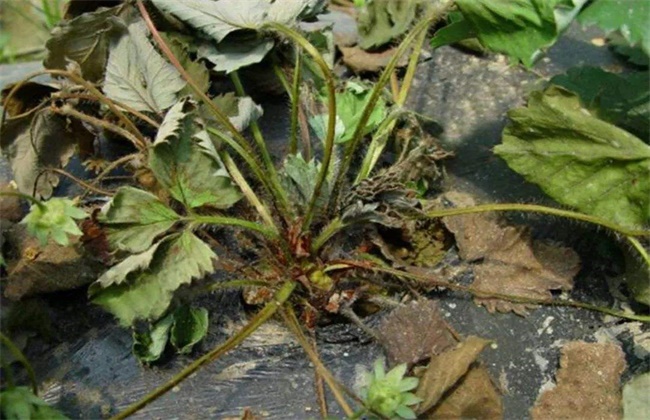
1. Disease Symptoms
Strawberry bacterial wilt is caused by a type of Ralstonia solanacearum bacterium. After infection, the plant gradually develops rust-colored spots, which gradually spread into the interior of the stem; the rust color gradually deepens, becoming brown in the middle stage and black in the late stage, until the plant dies. In the early stage, the plant may appear wilted, somewhat similar to sunscald, and will recover to normal after watering or at night. In the middle and late stages of the disease, the wilting becomes persistent, and at the same time the rust-colored spots described above appear at the root crown, so care should be taken when identifying it.
2. Disease Patterns
The occurrence of bacterial wilt is mainly related to temperature and humidity; the hotter and more humid the environment, the more likely this disease is to occur, specifically at temperatures above 22°C and humidity above 40%. In addition, bacterial wilt is also very prone to occur at the seedling stage and the late harvest stage. At the seedling stage, the plant's resistance is weak and it is very easily infected by the pathogen. At the end of the harvest, because the fruit has just been harvested, the plant has lost a large amount of nutrients and at the same time has weak disease resistance, so the pathogen takes the opportunity to invade and cause the plant to become diseased.
3. Prevention and Control Methods
A great deal of experience shows that the best way to prevent bacterial wilt is rice-upland crop rotation. In addition, bacterial wilt also harms Solanaceae vegetables such as tomato, eggplant and pepper, so these crops should also be rotated reasonably. When establishing the plantation, choose a plot with smooth drainage, good ventilation and sufficient light. Before planting, deep-plow the soil to about 30 cm, and disinfect it after sun-drying. After planting, strengthen field management, promptly remove dead branches and fallen leaves, and pay attention to field drainage after rain to avoid the occurrence of a high-temperature environment. At several key points in strawberry growth, spraying can be used for prevention and control: first, spray a fungicide at the seedling stage, and before mulching, drench the roots with agents such as agricultural streptomycin. After heavy rain, spray Bordeaux mixture to disinfect. If the plant has already become diseased, targeted spraying of some agents for controlling bacterial wilt can be used to control the spread of the disease and stop it from developing further.
The above is an introduction to the prevention and control methods for strawberry bacterial wilt. We hope it helps you. To learn more related knowledge, please stay tuned to us.