Detailed Apricot Seedling Cultivation Techniques: Master the Methods to Grow Strong Seedlings
Apricot cultivation mainly relies on seedling rootstock grown from seed, and then superior varieties can be grafted onto this base to produce saplings that combine the excellent traits of both varieties. Next, let's look at how to handle the seeds, how to sow and raise seedlings, and then the specific grafting process and what to pay attention to.
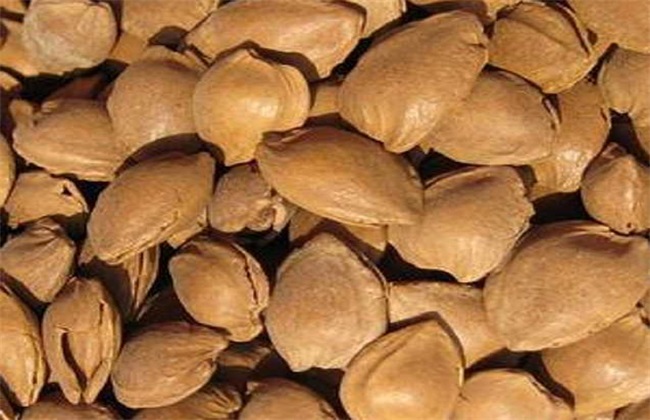
I. Seed Treatment
Apricot is a stone fruit, and its seed is tightly closed with a very hard shell, making it difficult to germinate. Without artificial treatment, it may not even sprout. Soaking seeds in hot water has little effect either, as water cannot penetrate into the seed. The main method is to eat the flesh after picking, or pile and compost it until rotten, then clean it, drain it, and store it. Use clean river sand for stratification to promote germination, with one layer of sand and one layer of seeds, the sand being 5 cm thick, or simply mix sand and seeds together in a pile.
II. Sowing
Choose ordinary deep, loose soil, plow 35 cm deep, do rough plowing, then use a machine to rotary till to ensure the soil is fine and crumbly. Sow in raised rows, sowing directly at the planting spacing, with a row spacing of 30 cm, plant spacing of 20 cm, and a depth of about 10 cm. Use about 30 jin of seeds per mu, sowing two rows and leaving one empty row.
III. Grafting
1. Taking the Scion
Using the bud grafting method, directly select a vigorous branch on the mother plant, choose a plump bud, make a slanted cut 1 cm above the bud, including a little wood, and stop when you reach 0.5 cm below the bud. Then use the knife to cut the bud off in one stroke at 0.5 cm below the bud. The process must be quick, all in one cut, with smooth cuts.
2. Selecting the Rootstock and Grafting
Choose a seedling grown from seed sowing, with a thickness of 0.8 cm and a length of more than 1.2 m. Make a horizontal cut at the internode of the rootstock, just cutting through the cambium. Then use the knife to make a vertical cut about 2 cm long in the middle of the previous cut. The bark will split open in a cross shape; gently pry it open a little, slowly insert the bud scion, and do not break the rootstock bark.
3. Precautions
After grafting, immediately tie the scion with transparent plastic film strips, exposing the bud, and no other part should be exposed to air. After grafting, make sure no other buds grow nearby, as they can easily compete for nutrients. Grafting must be done quickly, and care must be taken to align the cambium. Check for survival about one week after grafting, and re-graft if needed.
Apricot seedling cultivation mainly involves sowing to grow rootstock, then grafting other superior varieties to make the seedlings more high-quality. Or you can directly plant the seedling rootstock. In any case, it depends on your own choice; the market currently mainly sells grafted seedlings.