What to do when passion fruit gets a viral disease? Detailed explanation of prevention and control methods
Passion fruit viral disease is a common disease in the process of growing passion fruit, often causing a serious decline in the quality and yield of passion fruit, and seriously affecting farmers' yields and income. So how should passion fruit viral disease be prevented and controlled? Let's find out together.
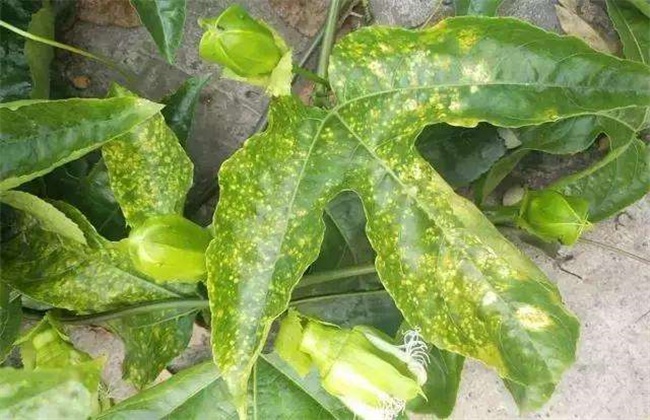
1. Disease symptoms
There are several symptoms of viral disease onset. One is the woodiness virus, which causes the leaf color to become lighter, showing mosaic symptoms, with slight wrinkling, small and continuing fruit, hardened and thicker rind, shrunken fruit cavity, sterile floral organs, dwarfed diseased plants, and poor growth and development. The second is the mosaic virus; when it occurs, the leaves have light yellow mottling, the diseased leaves wrinkle, and in severe cases the leaves curl backward, some fruits become deformed and hardened, the flesh is little or none, the plant grows poorly, the yield is low, and the quality is poor. The third is the mottled virus, which shows as mottling on the fruit, seriously affecting fruit quality and reducing commercial value.
2. Disease occurrence pattern
The pathogen cross-infects on crops such as Solanaceae plants, tobacco, and potatoes, overwinters on the pathogen, and can also be spread over long distances by insect pests and diseased seedlings. It is mainly spread by aphids, and occurs more seriously in orchards with extensive management and more insect pests. Once this disease spreads and expands, it will spread at an extremely fast speed, spreading throughout the whole orchard in a short time.
3. Prevention and control methods
When selecting seedlings, choose disease-free seedlings, and disinfect the soil before planting. In areas where the virus is prone to occur, it is recommended to plant once a year, and try to avoid intercropping, especially not intercropping with solanaceous crops, which can easily induce viral disease. When seedlings develop viral disease or are suspected of developing viral disease, they must be decisively pulled out to avoid greater losses. Through reasonable fertilization and root care, Sea Elf biostimulant can be applied as a drench during the growing period to improve their disease resistance and stress resistance. Strengthen the control of virus-transmitting vectors such as aphids, whiteflies, and mite pests. Aphids can be controlled with imidacloprid, and mite pests can be controlled with spirodiclofen, etoxazole, clofentezine, cyenopyrafen, and others. When pruning branches, pay attention to disinfecting the scissors to reduce mutual infection between plants. If the disease occurs in the middle and late fruiting stages, spraying Sea Elf biostimulant foliar type can temporarily relieve the condition, and after harvest, destroy them.
The above is an introduction to the prevention and control methods for passion fruit viral disease. I hope it can help you. To learn more related knowledge, please follow us.