Detailed Explanation of Key Management Techniques for Litchi During the Young Fruit Stage
Litchi is a fruit that many people enjoy eating very much. Because of its requirements for the growing environment, it cannot be planted in many places, and its market price is very high. Therefore, more and more people are growing it. When growing litchi, we must do a good job in management, especially during the young fruit stage. So how should litchi be managed during the young fruit stage? Below, the editor brings you the management techniques for litchi during the young fruit stage. Let's take a look together!
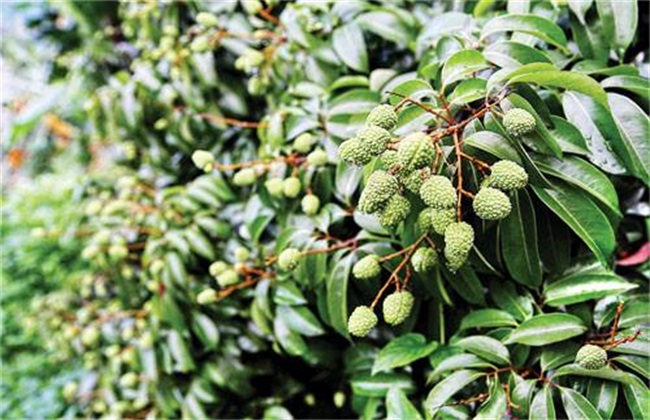
1. Fruit preservation
About 5-20 days after female flowers are pollinated, litchi will experience its first physiological fruit drop, which has a very large impact on fruit set and yield. Therefore, during the young fruit stage, we must take good fruit preservation measures to avoid excessive fruit drop, reduce yield, and affect growing benefits. So we should appropriately spray fruit-setting hormone after the female flowers fade, control the dosage and ratio well, and mix with rainwater. When spraying fruit-setting hormone, be careful to spray toward the canopy to ensure full and even coverage, reduce physiological fruit drop, and achieve the purpose of fruit preservation.
2. Fertilization
After litchi sets fruit, it consumes a large amount of nutrients. Therefore, after entering the young fruit stage of litchi, fertilization must be done well to provide sufficient growth nutrients for litchi, promote fruit enlargement, enhance the growth capacity of litchi, and avoid fruit drop. This is also the time when the nutrient level of the litchi tree is at its lowest for the whole year, so we should fertilize reasonably according to the actual condition of the litchi tree. For a litchi tree with a fruit load of about 50kg, each tree should be fertilized with about 1kg of compound fertilizer, plus an appropriate amount of fertilizers such as magnesium sulfate.
3. Fruit thinning
Although we need to carry out fruit preservation work for litchi trees, we should also thin fruit appropriately, and there is no conflict between the two. When the young fruit grows to the size of a black bean, for some empty panicles, diseased and insect-damaged panicles, and other panicles that cannot set fruit, they should be removed in time. Then pay attention to observing the condition of the fruit, and promptly remove small fruits, deformed fruits, diseased and insect-damaged fruits, and other undesirable fruits. Fruit thinning follows the principle of keeping large ones and removing small ones, and the amount of fruit retained should be controlled according to the size of the panicle. For example, retain about 100 fruits for a large panicle and about 30 fruits for a small panicle.
4. Pest and disease control
The young fruit stage of litchi is the period with the greatest nutrient consumption and also the weakest period for the tree body. At this time, the harm from pests and diseases is relatively serious, so pest and disease control must be done well. Common pests and diseases of litchi include downy mildew, fruit borer, and so on. When controlling them, we must handle them correspondingly according to the specific pest and disease situation of the litchi. When using pesticides, note that young fruits are relatively sensitive to organophosphorus, and exposure to organophosphorus can easily cause fruit drop. Therefore, everyone must be careful not to use pesticides containing organophosphorus.
The above is a brief introduction to the management techniques for litchi during the young fruit stage. Although management during the young fruit stage of litchi is important, management during other stages should not be neglected either, such as the flowering stage and the fruit enlargement stage, all of which require our special attention. That is all for today's introduction. This article is for reference only, and we hope it can be helpful to everyone.