Detailed Explanation of the Key Technical Points of Winter Jujube Field Management
Winter jujube is a very high-quality jujube cultivar, with a smooth, non-rough surface, rich nutritional value, and extremely high sugar content. Winter jujube not only has all the nutrients found in other jujubes, but also contains more than a dozen amino acids essential to the human body. Therefore, more and more people are now growing winter jujube. So when we grow winter jujube, how should we manage it? Below, the editor brings you the field management techniques for winter jujube. Let's take a look!
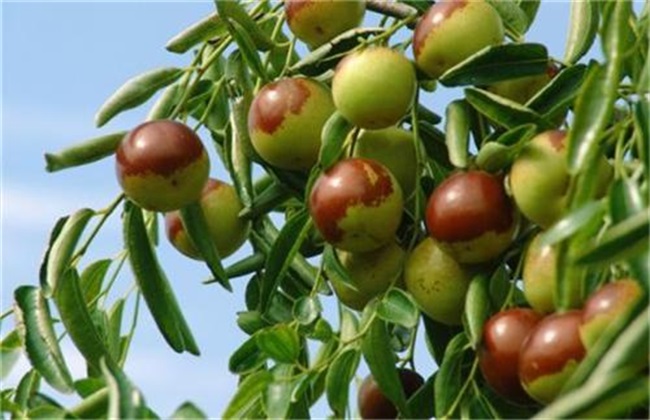
1. Shaping and pruning
When growing winter jujube, we must do a good job of shaping and pruning. We should reasonably choose the shaping method according to the planting density. When shaping in high-density jujube orchards, the free spindle shape should be the main form. About 9 main branches should be kept evenly distributed on the trunk, with no layered overlapping. The length of the main branches should be controlled at about one meter, with the upper part of the main branch long and the lower part short, retaining about 6 branch groups. Each branch group should not show undesirable conditions such as crowding each other or crossing. Unnecessary branches should be removed in time to improve the permeability of the tree canopy. Select jujube heads from the base of the jujube tree to renew the branch groups.
2. Fertilizer and water management
If it is a densely planted orchard, then the orchard soil should be kept sufficiently loose and soft, ensure there are no weeds, and have good drainage and irrigation measures. When topdressing the jujube trees, root-zone and foliar topdressing should be the main methods. Root-zone topdressing should be carried out before bud break, before the flowering and fruiting stage, and during fruit enlargement and other important growth periods. Control the nutrient ratio in the fertilizer according to different growth periods to ensure that the nutritional needs of winter jujube are met. Then during these periods, attention should also be paid to watering to prevent soil drought from affecting the growth of winter jujube. However, field water moisture should not be too high either, and drainage should be carried out in time, otherwise undesirable conditions such as fruit cracking and fruit drop are very likely to occur.
3. Flower and fruit management
After the winter jujube trees bloom, when about 5 new jujube spurs are found on the jujube head, pinching should be carried out according to the growth vigor of the jujube head. Strong and weak jujube heads should be retained at a ratio of 4:3. Then after sprouting in winter, excess jujube heads on the branch groups should be removed in time to avoid consuming too many nutrients, with the aim of enhancing the growth vigor of the winter jujube trees and increasing yield. After winter jujube enters the early bud stage, remove all side flowers and retain only about two central flowers. Concentrating nutrients on the fruit can not only promote fruit enlargement, but also effectively increase the fruit-setting rate.
4. Timely harvesting
When harvesting winter jujube, we should not do it after the winter jujube is fully ripe, as its storage and transportation capacity is very poor, and it is extremely prone to rotting and losing commercial value. Therefore, we should harvest when the fruit is about 25% colored. At this time, the storage and transportation capacity of the fruit is relatively high. When picking the fruit, if the knocking-down method is used, then cloth strips and other cushioning items should be placed underneath to avoid injuring the fruit and affecting yield.
The above is a brief introduction to the field management techniques for winter jujube. The field management work for winter jujube is very important and directly affects the yield and fruit quality of winter jujube, so everyone must pay close attention when growing it. That is all for today's introduction. This article is for reference only, and I hope it can help everyone!