Detailed Explanation of Key Techniques for Summer Pruning of Citrus Trees
Citrus is a fairly common fruit, and because market demand is relatively large, its planting area in our country is also relatively large. When growing citrus trees, we must do a good job with management. Among these tasks, summer pruning is especially important, as doing it well can improve the airiness and light penetration of citrus trees and promote flowering and fruiting. So how should summer pruning be done? Below, the editor brings you the techniques for summer pruning of citrus trees. Let's take a look!
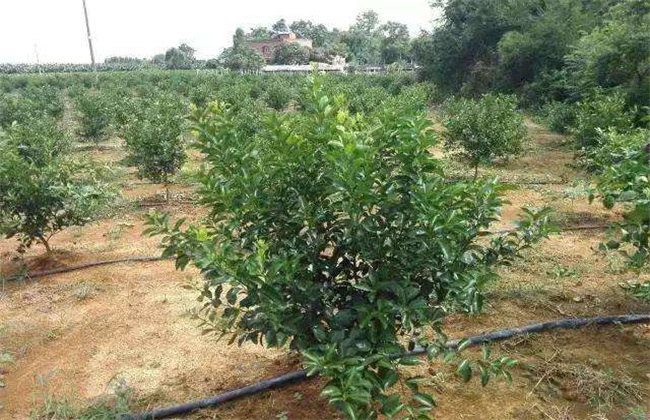
1. Summer pruning of young trees
Some early-flushing summer shoots sprout in summer, which is exactly the time of physiological fruit drop. At this time, in order to protect the fruit, we must not only do a good job with watering and fertilizing, but also pay attention to removing the early summer shoots in time. When the early summer shoots grow to about 5 cm, they should all be wiped off, about once every 5 days, until the end of May. If the tree bears little fruit, then at the end of May, when the summer shoots have sprouted to about 3 cm, thin the buds according to the principle of removing one out of every three. Then, when they grow to about 30 cm, do the topping and pinching work. For trees bearing a lot of fruit, in July-August, allow one flush of shoots, and 2-3 weeks before releasing autumn shoots, carry out one heading-back pruning to promote shoots.
2. Summer pruning of trees in full production
Summer pruning of trees in full production is mainly to promote the sprouting and growth of autumn shoots, enhance the growth ability of branches, and promote recovery of tree vigor. If the citrus tree has strong growth vigor, then pruning should continue until July. In time, thin out the overly long and overly dense branches in the middle and lower parts of the citrus tree, as well as branches with dropped flowers and fruit, intertwined and overlapping branches, and branches affected by pests and diseases. Then carry out heading-back pruning on the weak, waste branches whose tips have become knobby. Thin-prune the middle and upper branches on the outside of the canopy, keeping about 10 cm of the branch stub, and keeping the diameter of the pruning cut at 1 cm.
3. Summer pruning of off-year trees
From May to July, wipe off summer shoots about once every 5 days. This avoids excessive and overly vigorous growth of summer shoots competing for nutrients needed for fruit set and lowering the fruit-setting rate. Then in mid-July, carry out the work of releasing autumn shoots. In May-June, we should make one girdling cut at a position about 6 cm on the main branch of the plant, cutting through the epidermal layer of the branch, but be careful not to damage the xylem; this can reduce the targets of physiological fruit drop. Then in mid-to-late July, promptly thin-prune the inner canopy branches, and carry out heading-back pruning on weak branches and old branches. After the autumn shoots mature, appropriately twist the shoots.
4. Summer pruning of freeze-damaged trees
After a citrus tree suffers freeze damage, adverse phenomena such as withered leaves and dried-up branches will appear. Not only should spring pruning be done in time, but proper pruning should also be done in summer. If the freeze damage is not serious, then in May-July the summer shoots should be wiped off, and then fertilizer should be applied appropriately and hormones sprayed. Appropriately carry out heading-back pruning on weak branches in the tree, with the goal of cultivating fruiting branches. If the freeze damage is serious, then when the spring shoots grow to about 12 cm, select 5 strong shoots in different locations as reserve branches for cultivation. When each shoot grows to about 28 cm, carry out pinching and heading-back pruning to promote recovery of tree vigor.
The above is a brief introduction to summer pruning techniques for citrus trees. The summer pruning work of citrus trees is very important and directly affects the yield and quality of citrus, so everyone must pay close attention to it. That is all for today's introduction. This article is for reference only. Thank you for reading and supporting.