Detailed Explanation of the Key Points of Citrus Autumn Top-Grafting and Variety Conversion Technology
Citrus top-grafting and variety conversion means grafting improved, high-quality varieties onto the branches of the original old citrus variety. This renews the citrus tree's variety, improves the quality of the citrus tree, and promotes fruiting. If the top-grafting and variety conversion work is done properly, the grafts can survive in the same year, produce a canopy in the second year, and begin bearing fruit in the third year. So how should citrus be top-grafted and converted? Let's take a look together below!
1. Preparation for Top-Grafting
Before carrying out top-grafting and variety conversion, we must first determine the timing of the top-grafting, and then make preparations for it. The top-grafting time for citrus should be chosen after the annual summer drought ends and the autumn shoots have matured, generally in August-September. Two weeks before grafting, we should strengthen the management of the trees to be converted. Carry out one round of inter-row cultivation and weeding, control the amount of water and fertilizer well, promote the growth of the trees to be converted, improve the survival rate of grafting, and avoid grafting failure that would affect planting returns.
2. Top-Grafting Method
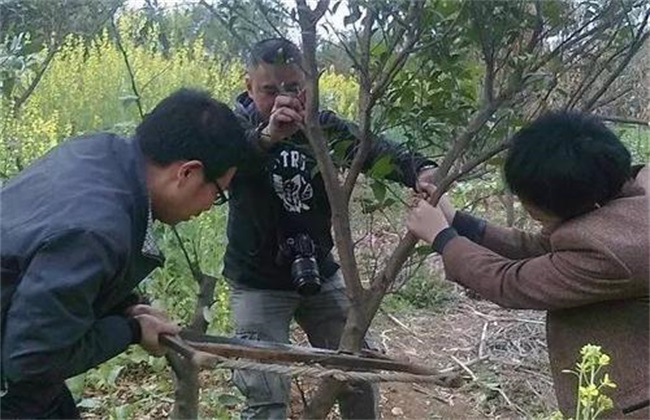
First, we should thin out the overly dense and tangled large branches on the trees to be converted. Keep some small inner-canopy twigs in the lower part of the canopy and cultivate them as auxiliary nurturing branches. Then, based on various factors such as tree age and canopy, carry out multi-head top-grafting. Young trees are generally grafted with about 15 buds, adolescent trees with 50, and mature trees with about 90 depending on the actual situation. Make sure the grafted buds are evenly distributed on the tree, with the distribution branches mainly being upright branches and slanting branches.
Before top-grafting, first choose a diamond-shaped scion, then whittle it into a single bud. Then make a cut on the branch, cutting through the cortex all the way to the xylem, keeping the cut about 3 cm. Then insert the grafted bud into the rootstock, secure and press it firmly to ensure the grafted bud and rootstock unite. Then use grafting film to tie the graft union tightly. Do a good job of post-grafting management to prevent air leaks and water leaks, which would affect the survival rate of grafting.
3. Post-Grafting Management
About three weeks after grafting, we should frequently check the grafting condition of the grafted buds to determine whether the graft union has survived. If the grafted buds are found to be withered and yellow, moldy, or otherwise wrongly colored, then the grafting has most likely failed. Therefore, at this time, we must complete remedial grafting before the end of October. If the grafted buds are normal in color, then it means the grafting has succeeded. However, note that at this time the grafting film must not be untied, otherwise it will seriously affect the growth of the new shoots, causing freezing damage and other problems that lead to death. The film should be removed in stages before Qingming Festival of the following year.
The above is a brief introduction to citrus autumn top-grafting and variety conversion technology. Top-grafting and variety conversion work can effectively increase citrus yield and fruit quality and enhance planting returns, so everyone must pay close attention. That's all for today's introduction. Friends who want to learn more related information, please keep following us!