Cultivation Techniques and Management Methods for Prunes
The prune looks very much like an apricot, except that its color is purple and the flesh inside is translucent yellow. The prune originated in southwestern France and contains a variety of trace elements, with certain dietary therapeutic effects. At present, it is mainly processed into various snacks or made into various foods. Prunes are also cultivated in China now, but the planted area is not large. Now that you understand the prune, let us learn about its cultivation techniques.
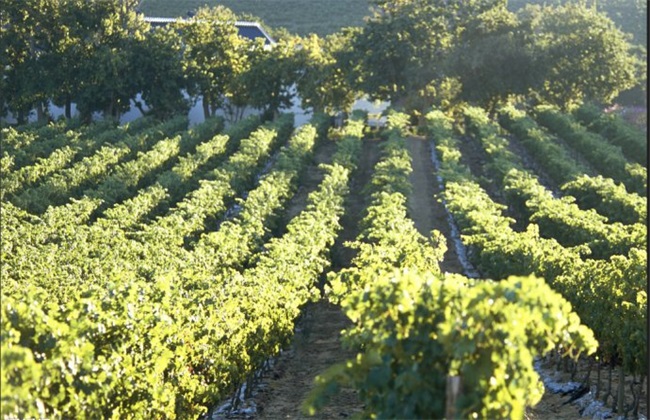
I. Building the Orchard
Planting in mountainous areas is best, but do not plant in wind gaps. It is best if the planting site has deep soil, and the soil should not be compacted or heavy clay; loose, breathable soil is the best choice, preferably sandy loam, but not sandy soil. The orchard needs protective netting to keep wild animals out, and drainage ditches should be dug in the orchard area.
II. Young Tree Management
In the first year after planting, the main focus is the growth of the aboveground plant. Through pruning, it gradually grows into a tree shape that is easy to manage and favorable for growth, such as the natural open-center form. The trunk is set at about 1.3 m above the ground, leaving 3 to 4 main branches to be headed back, and thereafter branches are retained level by level, with the rest pruned away. Then supplement fertilizer and water to promote growth, and thin out excess buds and branches.
III. Flower and Fruit Management
During the flowering period, artificial pollination or placing bees in the orchard ensures the success rate of pollination and fertilization and improves the fruit-setting rate. During the flowering period, sudden low temperatures must be prevented. Spraying a 500-fold maleic hydrazide solution at the flowering stage can prolong the flowering period and avoid reduced fruiting caused by low temperatures. Fruit thinning is needed to remove weak branches and weak fruits, diseased branches, dry and withered branches, dense branches and drooping branches, and space must be opened up inside for ventilation and light penetration. This can reduce nutrient consumption and concentrate nutrients in the fruit.
IV. Other Management
Covering the roots of the planted fruit trees with grass or plastic film is beneficial for preserving soil moisture. Interplant with leguminous grasses such as Chinese milk vetch; legume roots can fix nitrogen fertilizer and increase soil nutrients. In addition, in the mid-growth period, the grass can be turned into the soil to be used as green manure. After the fruit is harvested, base fertilizer should be applied: 30 jin per young tree and 80 jin per mature tree. Use the ring-shaped trench application method. Topdressing is applied once before flowering and once during the fruit enlargement stage. Each time, apply 1 jin of compound fertilizer per young tree and 2 to 3 jin of compound fertilizer per mature tree.
Prune cultivation begins with orchard construction and includes routine field management. The key period is the management during the flowering and fruiting stage. In the later stage, it is mainly divided into certain management practices for young trees and mature trees.