Detailed Explanation of Key Points of Soilless Cultivation Techniques for Figs
Figs have always been cultivated by planting them in soil, but the soilless cultivation technique for figs that we are introducing today mainly uses a growing medium to replace the planting soil. With this cultivation method, the nutritional conditions are relatively good, management is relatively convenient, and many soil-borne diseases can be reduced. So next, we will introduce this cultivation method in specific detail.
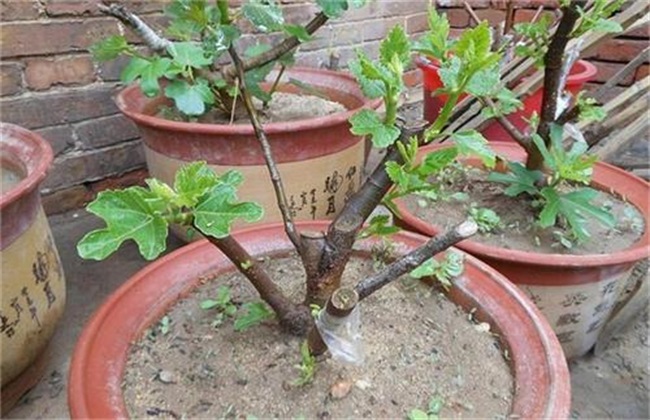
1. Selecting good varieties
Since soilless cultivation is mainly done at home using containers, the varieties selected must be those with moderate tree vigor, not very strong sprouting ability, but with abundant fruiting and good taste. For example, Red Dwarf (Hong Aisheng) is a Chinese purple fig variety, relatively dwarf and easy to manage. Bojihong mainly produces autumn fruit, has moderately strong and robust tree vigor, is relatively high-yielding, and the fruit tastes good.
2. Medium preparation
Choose breathable clay pots or wooden boxes for planting. Wide-mouthed containers are required, with a width of more than 40 cm. Choose a medium with high humus content that is loose and breathable. It is best to use peat, decomposed dead leaves, vermiculite, and fish meal in a ratio of 6:4:2:1 to prepare the medium. You can also use peanut shells, sugarcane bagasse, soybean cake and the like after decomposition, and you can also mix in river sand and pond mud. Decompose them, spray with chemicals, and disinfect by drying in the sun.
3. Planting
After raising seedlings in soil, take the seedlings. Choose robust plants with plump buds for planting. First prune part of the root system and branches. Dig a hole wider and deeper than the root system, then spread out the roots and place them in. After that, cover with the medium, press gently, and water thoroughly until the medium settles.
4. Management
For base fertilizer, apply 50 grams of compound fertilizer per plant, which can be adjusted. When fertilizing, water as well. You can also use decomposed vegetable leaves and fruit peels as organic nitrogen fertilizer. Animal bones from various foods can be decomposed in water and then used. Fermented rice-washing water can be used as potassium fertilizer. The container can simply be placed in the yard. Prune regularly and just maintain a natural open-center shape; the process can be chosen and retained as you like. Usually spray lime sulfur mixture and Bordeaux mixture to prevent diseases. Timely capture and kill various insects.
Soilless cultivation of figs was actually developed for urban residents to grow them and to make management convenient. It is different from some hydroponic methods for vegetables, but both rely on a growing medium for growth and cultivation.