What are the key points of perfume pineapple cultivation techniques?
There are many varieties of pineapple, and perfume pineapple is one of them. Its fruit is golden yellow, with crisp, sweet and juicy flesh. The flesh is especially fragrant and sweet, with a balanced sweet-and-sour taste and a subtle, captivating perfume aroma. Compared with ordinary pineapple, it is more popular with the public, so how should perfume pineapple be grown? Let's find out together.
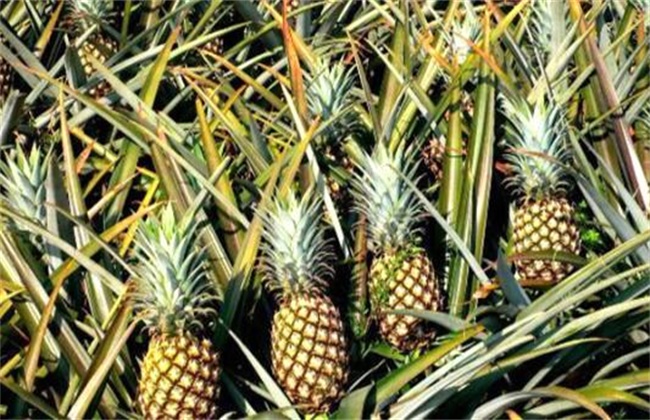
1. Orchard establishment
Perfume pineapple has strong adaptability to soil. To achieve good yield and quality, it is suitable to choose sandy loam with deep soil, fertility, looseness, good drainage and convenient transportation. Soil that is too clayey or too sandy is not suitable for establishing an orchard. Before planting, the orchard should be properly laid out, with roads, shelterbelts, drainage and irrigation systems, and water and fertilizer tanks planned scientifically and arranged reasonably as a whole. Before planting, deep ploughing should be carried out to remove dead small shrubs and weeds, then clods should be broken up and the soil harrowed fine. Deep ploughing and sun-drying of the soil can kill underground pests and pathogens, reduce the occurrence of pests and diseases, and create conditions for high yield of perfume pineapple. Apply base fertilizer when making beds, as this is the foundation for obtaining high yield of perfume pineapple. Generally, 500 kg of decomposed organic fertilizer, 25 kg of calcium magnesium phosphate fertilizer and 10 kg of compound fertilizer are fully mixed and applied per mu, then soil is covered, beds are formed and film is laid.
2. Planting
Perfume pineapple can be planted throughout the year, but planting from April to July is better. At this time, temperature is rising and rainfall gradually increases, which is beneficial for root formation of the seedlings after planting and improves the survival rate. There are three types of planting material: crown buds, slips and suckers. For ease of management, different buds and seedlings should be classified and graded before planting, so as to avoid uneven height, size, vigour and weakness after mixed planting. Before planting, the seedlings should also be disinfected. After treatment, place them upside down on the bed surface to dry for several days. Once the wounds on the seedlings are dry, they can be planted.
3. Field planting
Use the method of deep ploughing and shallow planting. Before planting, open deep furrows and apply sufficient base fertilizer, mix it with the soil, then open small furrows, and then plant the seedlings. Generally, the soil should not cover the central growing point, so as to prevent mud from splashing into the heart of the plant, which could affect normal growth of the pineapple or lead to fertilizer damage. When planting, hold the seedlings upright by hand and earth them up, then press the soil firm by hand. After planting, spray rooting water promptly so that the buds and seedlings make full contact with the soil and root formation is promoted. In order to achieve balanced growth of young seedlings after planting and facilitate management, planting must be carried out strictly according to size grading of the buds and seedlings.
4. Fertilizer and water management
Pineapple seedlings have thick leaves and strong drought resistance, but during the seedling stage, flower bud emergence stage, fruit development stage and sucker emergence stage, they need a certain amount of water. In case of drought, irrigate promptly, and drip irrigation is preferable. In the rainy season, drainage should be done well to create a suitable growing environment for pineapple. If after planting the roots are found exposed due to rain washing, earth up promptly to repair it. At low temperatures, black plastic film mulching cultivation should be adopted to reduce soil moisture evaporation, lower surface temperature and promote root growth. Fertilization should be balanced and combined, mainly organic fertilizer, together with compound fertilizer and microbial bacterial fertilizer. Generally, topdressing is done once one month after planting, and the second time after four months. In addition, according to the growth of the pineapple, apply foliar fertilizer once more each month, laying a solid foundation for high-yield cultivation.
The above is an introduction to perfume pineapple cultivation techniques. I hope it can help you. If you want to learn more related knowledge, please stay tuned to us.