Detailed Explanation of Key Technical Points for Protected Cultivation of Cherry Tomatoes
Cherry tomato is a special variety of tomato. Its fruit is much smaller than that of the tomato, its taste leans toward that of a fruit, its appearance is relatively attractive, and its vitamin content is also very high. Once it hit the market, it was loved by a large number of consumers. At present, it cannot be planted in open fields during the winter in cold-temperature areas, or in late autumn and early spring, but with protected cultivation facilities it can be grown in all four seasons. So now it is mainly grown under protected cultivation. So what exactly does the protected cultivation technology involve? Let's take a look together!
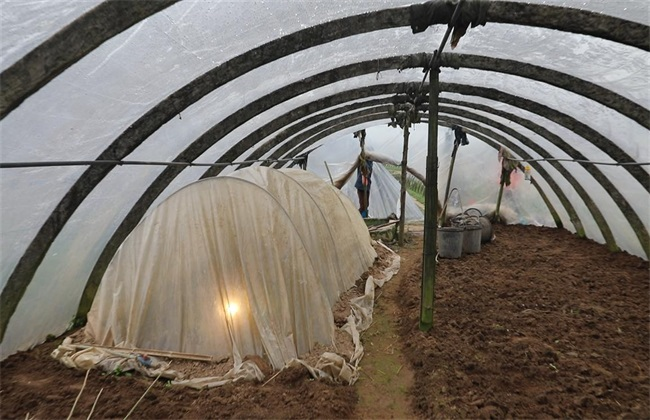
1. Small arch shed cultivation
Cultivation can begin in January. Generally, seedlings are first raised in a large shed or greenhouse, then transplanted to the field. First, ridges are made and plastic film is laid over the rows with holes punched for planting. Then, after planting, a small arch shed is added on top. Heat preservation in the arch shed is very important; without the arch shed, survival is difficult. Only by combining plastic film with the arch shed can good heat preservation be fully achieved, and it can be briefly ventilated when the sun comes out. It can mature and be harvested one month earlier.
2. Large shed planting
Planting can be advanced by one month more than with small arch sheds. Before planting, a large amount of farmyard manure should be composted and decomposed to release heat and help raise the temperature of the seedling bed, ensuring seedling cultivation. Then, electric wires can also be used to heat the seedling bed for raising seedlings. Direct seedling raising may mean the temperature is a bit insufficient. In February, planting can be done in the large shed, and after planting a small arch shed still needs to be added for more concentrated heat preservation. Harvesting can be done in April, and fruiting can continue until August. It is best to use early-maturing varieties for cultivation. Large sheds can also be sown in summer, keeping fruiting until early winter.
3. Rainproof planting
When planting in the south, two horizontal frames can be set up in the middle, then let the cherry tomato vines climb up them, and a fan-shaped rainproof plastic canopy is set at the top. This can prevent rainwater from soaking the plants. It can reduce diseases, and a shade net can be added on top of the rainproof canopy to reduce light intensity and also lower the temperature. This can extend the fruiting period.
4. Greenhouse cultivation
In winter long-daylight areas, cherry tomatoes can be grown in greenhouses. Only warmth and humidity are needed to ensure the temperature for sprouting and growth, and then by strengthening fertilizer and water management, cherry tomatoes with normal growth and development can be cultivated. However, ventilation may need to be reduced, ventilating when the temperature is relatively high on sunny days. Do not apply too much fertilizer; irrigate a bit more, but pay attention to collecting evaporated water droplets so they do not drip onto the leaves.
The main protected cultivation methods for cherry tomatoes are the above few. They are mainly aimed at being able to cultivate and harvest cherry tomatoes in all four seasons. Protected cultivation shows that as long as a suitable environment is created, cultivation can continue without worrying about the external environment.