Key Management Techniques for the Flowering Period of Pepino Melon
Unlike other fruit trees that flower and bear fruit in the same year, pepino melon flowers one year and bears fruit the next, so the flowering period is very important. A little mismanagement can delay flowering and push fruiting even later. One-year-old seedlings bear fruit in the second year, while three-year-old seedlings bear fruit in the same year. The flowering period directly affects fruiting and is also a key point in cultivation management. We should take measures to make the tree bloom earlier, bloom more, and produce high-quality flowers, thereby increasing the fruit-setting rate. The specific measures are introduced below.
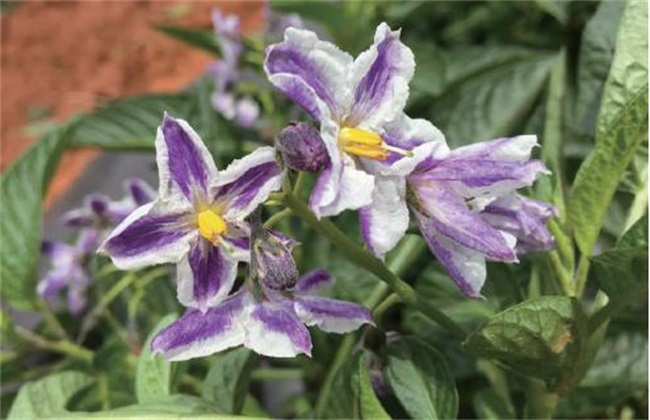
I. Temperature and Humidity
Maintain the temperature most suitable for growth, around 25 degrees; flowering can proceed smoothly at around 15 degrees. The plant grows poorly below 5 degrees and will suffer frost damage and die below 0 degrees. Flowering proceeds smoothly between 15 degrees and 30 degrees, with continuous blooming. Within this temperature range, there are more flowers, the fruit-setting rate increases, and yield improves. The flowering period lasts about a week, so the flowering period must not encounter high temperatures. The pepino melon root system is afraid of waterlogging, so drainage should be done promptly during the rainy season. Pay close attention to the weather and do not water before rain. Especially in greenhouse cultivation, high humidity easily causes downy mildew. Pepino melon is a semi-drought-tolerant fruit tree. During the field fruiting and flowering period, the water content is about 60%. Sufficient water during the flowering period is enough; too much humidity easily causes flower rot.
II. Soil and Climate
Planting in loose, fertile soil provides relatively good nutritional conditions and can satisfy the nutrients needed for flowering. It has the greatest demand for potassium fertilizer, followed by nitrogen fertilizer. During the flowering period, calcium, phosphorus, and magnesium should mainly be supplemented. Pepino melon is a subtropical fruit and is mainly suitable for planting in the south. Climate affects temperature, which then affects flowering, and can even prevent flowering.
III. Flower Thinning and Fruit Thinning
After flowering, flower thinning is generally carried out. Flower thinning is done to concentrate nutrients for the development of high-quality flowers. Flower thinning mainly removes flowers damaged by pests and diseases. For densely clustered flowers, keep the superior and remove the weak. Leave fewer flowers on weak branches and more flowers on strong branches. For some dense, low-hanging branches, weak branches, and pest- or disease-damaged branches, prune them off. This reduces consumption and increases photosynthesis. Ensure that flowers develop into high-quality fruit.
IV. Preserving Flowers and Fruit
Many fruit trees experience physiological fruit drop, and pepino melon is no exception. It is mostly caused by poor fertilization leading to embryo growth arrest, or by excessive vegetative growth inhibiting reproductive growth. Therefore, the solution is artificial pollination to ensure fertilization. In addition, apply less nitrogen fertilizer in the early stage and mainly fertilize during the flowering and fruiting period, so that the plant can enter the flowering period as soon as possible. You can also spray growth regulators such as anti-drop agents to preserve flowers.
That is all for the introduction to the management of the pepino melon flowering period. I hope friends who need it can read and learn about it and find it helpful. For more agricultural content, continue to follow our subsequent updates, and there will also be more content about pepino melon.