Detailed Explanation of Key Management Techniques During the Lychee Fruiting Period
Lychee is a common summer fruit with many varieties, including early-maturing, late-maturing, and very late-maturing types with different growth periods, so that the supply of lychees on the market can last longer. Lychees are deeply loved by people, and since they are a seasonal fruit, their economic benefits are much better than other fruits. To gain more profit, high yield is needed, and for high yield, management during the fruiting period is very important. Let's learn together how to do it!
1. Reasonable Fertilization
In December of the first year, apply pre-flowering fertilizer, with nitrogen fertilizer accounting for 30% of the annual total, phosphorus fertilizer accounting for 30% of the annual total, and potassium fertilizer accounting for 40% of the annual total. This can prevent spring decline. Apply fruit-strengthening fertilizer 15 days after the flowers fade, mainly potassium, with potassium fertilizer accounting for 50% of the annual total, nitrogen fertilizer accounting for 30% of the annual total, and phosphorus fertilizer accounting for 20% of the annual total. This is mainly to supplement nutrients and prevent physiological fruit drop. Apply post-harvest fertilizer one week before picking the fruit, mainly to maintain tree vigor and cultivate autumn shoots. Nitrogen fertilizer accounts for 50% of the annual total, phosphorus fertilizer 30%, and potassium fertilizer 20%.
2. Reasonable Irrigation
In the late stage of flower bud differentiation, irrigate to prevent dryness and promote rapid flower bud differentiation. If it rains during the flowering period, provide cover to shelter from rain, and after the rain, clear the drainage ditches to drain water. Water less during the flowering period, as it easily causes flower drop. In case of drought, water promptly in the evening. During the fruiting period, sufficient water is needed, watering once every two weeks. When ripening, to prevent fruit cracking, water less.
3. Intertillage and Earthing Up
Loosen the soil twice. The first time, before and after harvesting the fruit, to a depth of 10 cm. After the autumn shoots mature, carry out intertillage again, to a depth of 15 cm. This is mainly to cut a small number of roots and inhibit the sprouting of winter shoots. Finally, before flowering, to a depth of 10 cm. Loosen the soil layer to promote rooting. After clearing the orchard, earth up 5 cm to keep warm and protect the roots.
4. Plant Adjustment
Cultivate fruiting branches, generally with a thickness of more than 0.4 cm. Thin and weak branches should continue to be cultivated or thinned out. The length should be about 20 cm. Remove excessive vegetative branches and do not use them as fruiting branches. Old and weak branches are not suitable for fruiting and should be renewed and replaced during the summer vigorous growth period. Branches with little remaining leaf growth and light leaf color should be thinned out. For dense branches, keep the strong ones. Drooping branches cannot bear fruit and should be cut off.
5. Artificial Pollination
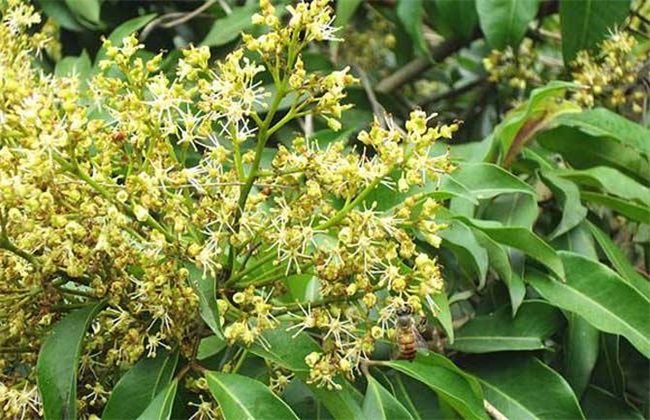
During the flowering period, keep bees in the orchard to let bees pollinate indirectly. Or collect pollen and pollinate with a brush on sunny days, or use a duster to spray pollen. Using a brush is precise but laborious, while dusting is slightly less precise but convenient. Boric acid can be added to the pollen solution to help preserve flowers. If rain occurs after pollination, re-spray.
The above are the main management contents during the flowering period. Thank you for reading. I hope it is helpful to everyone. To learn more, you are welcome to continue your support.