Detailed explanation of key techniques for high-yield peach cultivation and management
Peach is a small tree fruit species with diverse varieties. Tree forms vary by variety, with some tall and some low-growing; what is mainly cultivated now are low-growing varieties, which are convenient to manage. To achieve high yield when growing peaches, everything from tree form to nutrition, flowering and fruiting, intertillage and weeding, and pruning are all part of cultivation and management, along with planting management. All detailed adjustments are part of management, and the goal is only one: high quality and high yield.
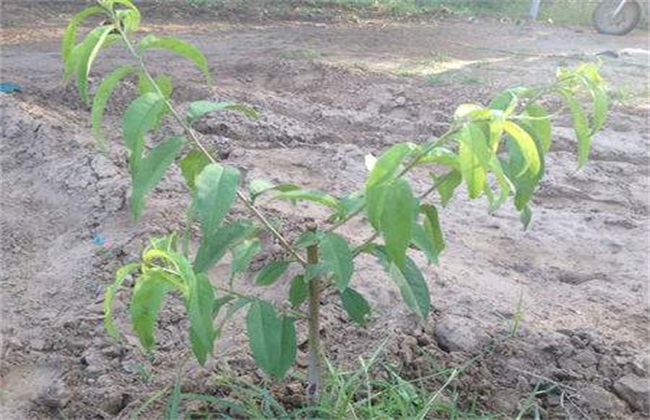
I. Planting time
The planting period should be determined according to the characteristics of the peach tree and local climate and environmental conditions. Generally, in areas south of the Yangtze River basin, planting is done in spring, because winter is cold; in areas such as Yunnan, planting can be done in autumn. But generally speaking, both spring and autumn are suitable for planting. Specifically, plant on cloudy days without rain, not on sunny days. It is roughly from March to early April, and from October to mid-November.
II. Reasonable planting
Planting density affects photosynthesis and growing space. Planting should generally be sparse rather than dense. Plain areas are planted more densely than hilly areas, but planting density is also affected by climate and environmental conditions. In plain areas, about more than 100 plants are planted per mu, while in hilly areas, about more than 60 plants are planted per mu. Hillside planting should be sparse, and greenhouse planting should be sparse.
III. Fertilization and irrigation
Peaches are drought-tolerant, but water supply should be ensured as much as possible. Watering fruit trees is good, about once a month, as long as leaf expansion is maintained. Water more half a month before the flowering period to ensure flower bud differentiation, but water less during flowering, watering when dry. After fruiting, water once every 10 days to maintain 65% water content. Water less when the fruit is ripe to avoid fruit rot. Apply base fertilizer in September, mainly farmyard manure, combined with chemical fertilizer. Young trees are mainly given nitrogen fertilizer, fruiting trees are mainly given nitrogen and phosphorus fertilizer, and fruiting trees are mainly given phosphorus and potassium fertilizer.
IV. Orchard management
During the flowering period, artificial pollination is needed, or bees are released to help pollination and fertilization. After fruit set is stable, spray fungicide and then bag the fruit for protection. Summer pruning, thinning shoots, renewing fruiting branch groups, ventilating and letting light through, and concentrating nutrients. Winter pruning removes diseased and insect-damaged branches, dead branches and diseased fruit, clears the orchard, and renews and rejuvenates aging trees. Weed at any time, and carry out intertillage in summer to inhibit vegetative growth.
When growing peaches and establishing an orchard, the main long-term task is to manage and maintain the orchard. Management is divided into three stages: young trees, mature trees, and fruiting trees. The management priorities differ, but the ultimate goal is all for fruiting.