How to reduce the high rate of empty burs in chestnuts? Introduction to practical methods
Chestnut is one of the common dried fruits, and it is delicious. It has high nutritional value and is deeply loved by people, but in the process of chestnut cultivation, the cause of empty burs seriously affects chestnut yield. So is there a way to reduce the empty bur rate in chestnuts? Below, the editor introduces methods to reduce the empty bur rate in chestnuts for everyone's reference.
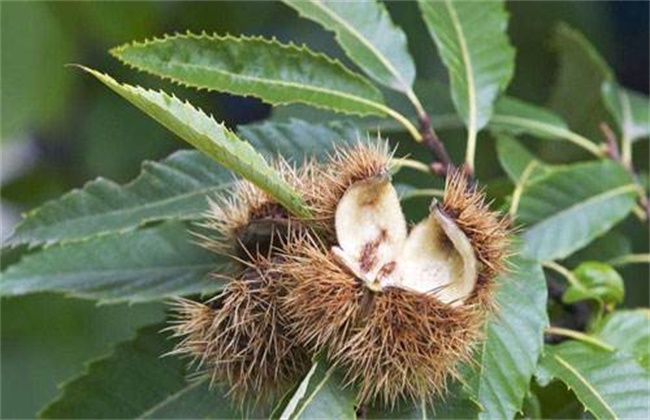
1. Choose excellent varieties
The occurrence of empty burs in chestnuts is inevitably linked to variety selection. If poor varieties or varieties with weak fruiting ability are selected, chestnut yields will be severely reduced. High-quality varieties should be selected, with attention to pursuing variety quality, choosing merchants with a good reputation and proper channels, and conducting trials and investigations on the fruit-setting rate of chestnut varieties. Once a variety fails to meet standards, it should be discarded in time to avoid a large number of empty burs after being put into cultivation, which would affect chestnut yield. Scientific selection is an effective way to avoid the occurrence of empty burs in chestnuts, and choosing high-yield, high-quality varieties is an important way to achieve high chestnut yields.
2. Do a good job in soil and fertilizer management
During planting, soil should be strictly managed, the soil should be deeply plowed regularly, rational close planting should be carried out, the spacing between planting rows should be well controlled, and intertillage and deep plowing should be increased to provide sufficient nutrients for the soil and maintain good permeability. Dry grass leaves can also be chosen as mulch, and sufficient farmyard manure should be applied to create a good growing environment for chestnut growth. Covering the tree disk with moved weeds is helpful for maintaining moisture and increasing the organic matter content in the soil. To keep the weeds from being blown away, a thin layer of soil should be covered over the weeds. To increase yield, intercropping can be used by planting other crops among the chestnuts, such as sweet potato and peanut, which can play an excellent role in improving the soil, thereby enhancing soil fertility and increasing the fruit-setting rate.
3. Carry out boron application work
Boron is a key element for chestnut growth, and it determines chestnut yield and the empty bur phenomenon. A fixed amount of boron should be scientifically applied according to the growth condition of the chestnuts, soil conditions, and other analyses, to promote chestnut growth and development and avoid the occurrence of empty burs. The time for boron application should be chosen in April in spring, or in July during the rainy season, and its effect is long-lasting. For boron spraying, foliar fertilizer is chosen, generally in early to mid-May to June, three times a month; after one month of spraying, a certain effect can appear, and the empty bur phenomenon will improve somewhat.
4. Strengthen pest and disease control
During the growth, flowering, and fruit setting of chestnuts, the occurrence of chestnut pests and diseases is also one of the important reasons for empty burs in chestnuts. If variety selection is poor or the disease resistance of the variety is weak, pests and diseases will occur frequently, causing the growth of chestnut trees to be hindered and preventing normal flowering and fruiting, resulting in reduced yield. Therefore, before planting, varieties with strong disease resistance should be selected, and during planting, pest and disease control should be strengthened. Once pests or diseases are found, they must be treated in time.
The above is an introduction to how to reduce the empty bur rate in chestnuts. I hope it can help you. If you want to learn more related knowledge, please stay tuned to us.