What conditions are needed for growing Hami melons?
The Hami melon originates from - region, where it is a - specialty. It has a unique flavor that many people enjoy, and it is now sold all over the country. The - region has hot days and cool nights, and the large day-night temperature difference is suitable for the Hami melon to accumulate sugar and to grow. So what exactly are the environmental requirements for Hami melon growth, and can it be grown in other regions? Next, I will introduce the requirements of each aspect one by one, starting with the environmental factors that affect it.
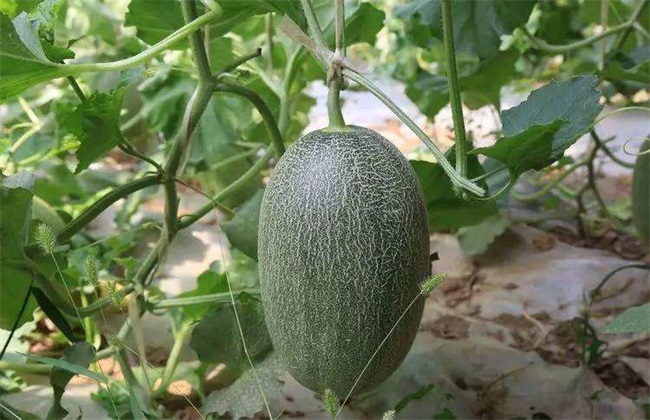
I. Temperature
It likes high temperatures, and high temperatures are beneficial to the growth of Hami melons. At emergence, daytime temperatures above 30 degrees are required, and nighttime temperatures need to be 18 to 20 degrees. After the seedlings emerge and grow leaves, the temperature should be lowered, to between 25 degrees and 28 degrees during the day, and correspondingly reduced by two degrees at night, around 15 degrees to 16 degrees. Once the plants grow a bit larger, they can return to the temperature requirements from before emergence.
II. Humidity
It has very strict water requirements. Except during the fruiting period, when a bit more water is required, water must be controlled at all other times. With enough water, it grows well; too much water damages the root system. It is generally normal for the soil to be dry. During the vegetative growth period, roughly water by seepage irrigation, once a month. During the fruiting period, it depends on the soil moisture content; as long as there is no drought, it can be watered once every half month or so.
III. Light
It has strict light requirements and needs sufficient light to flower and bear fruit. Otherwise, it may fail to flower or bear fruit. With sufficient light during the day and a long photoperiod, the better it grows. The sweeter the fruit and the higher the nutrient content. An annual sunshine duration of more than 3000h can achieve high quality and high yield. In addition, different varieties have somewhat different light requirements. It cannot grow and develop under short-day conditions.
IV. Soil nutrients
For soil, fields that have not previously grown other crops are best, but if there are none, there is no other way. It is best not to plant it after melon and fruit crops. Solanaceous crops have many diseases, so do not rotate with solanaceous crops. As for soil pH, it is best to plant it in acidic soil. Do not mix and use many fertilizers, as fertilizer burn is likely to occur. Some growth regulators need to be sprayed to increase the sugar conversion rate. Mainly spray melon foliar fertilizer during the maturity stage. Apply more compound fertilizer during the flowering stage. After fruit set, supplement with phosphate fertilizer and calcium fertilizer.
The growing conditions for Hami melons are rather demanding: high temperatures during the day, low temperatures at night, a dry environment, and controlled water. Such a climate may mean other regions cannot satisfy these growing conditions either, but now artificial facility cultivation can also achieve flowering and fruiting, though the quality cannot compare. The above content is provided for everyone's reference.