Causes of twin cherries and control measures
Twin cherries are also called double-stigma fruit, appearing as two conjoined cherries of the same size on one fruit stalk. They seriously reduce the commercial value of cherries and lower growers' planting returns. Below, the editor introduces the symptoms, causes and control measures of twin cherries, with details as follows.
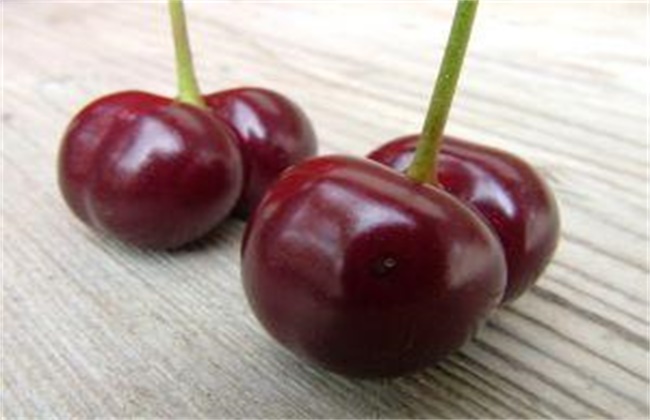
1. Symptoms
Twin cherries, also called conjoined cherries, refer to two conjoined cherries on one fruit stalk, with two seeds as well. Many people jokingly call them couple fruit. In fact, twin cherries have many problems and drawbacks during development and after ripening. Even when picked for sale, there are many factors such as cumbersome collection, uncertain quantity and few buyer groups, so their limitations are relatively great.
2. Causes
One month after cherries mature and are harvested is exactly the physiological differentiation stage and morphological differentiation stage of cherry flower buds. If fertilizer cannot be applied in a timely and reasonable manner at this time, it will lead to poor flower bud differentiation in cherries, thus producing conjoined cherries. If continuous high temperature and drought occur after harvest, excessive development of flower buds will lead to double-pistil flowers, and twin fruit will form when pollination occurs the following year.
3. Control measures
When continuous high temperature and drought occur, attention should be paid to shading. Especially for open-field cherry cultivation, if continuous high temperature and drought occur during the flower bud differentiation stage, shade nets should be used promptly to block light and avoid excessively high temperatures. The main measure to prevent twin cherries is to strengthen fertilizer and water management after harvest during flower bud differentiation, especially 2 months after fruit harvest, which is the key period. During this period of high temperature and dryness, when carrying out fertilizer and water management, spray potassium dihydrogen phosphate once every 10 days to supplement nutrients while increasing humidity and reducing the occurrence of twin fruit. If conditions permit, greenhouse and plastic tunnel protected cultivation can be adopted to improve the regulation of temperature and humidity, and then twin fruit will rarely appear.
The above is an introduction to the causes of twin cherries and control measures. We hope it can help you. To learn more related knowledge, please keep following us.