Planting Methods and Cultivation Techniques for Pepino Melon
Pepino melon, also known as South American pepino melon, ginseng fruit, longevity fruit, etc., is a perennial herbaceous vegetable and fruit ornamental plant that often also has anti-cancer and anti-aging effects, and is deeply loved by people. So how should pepino melon be planted? Let's take a look.
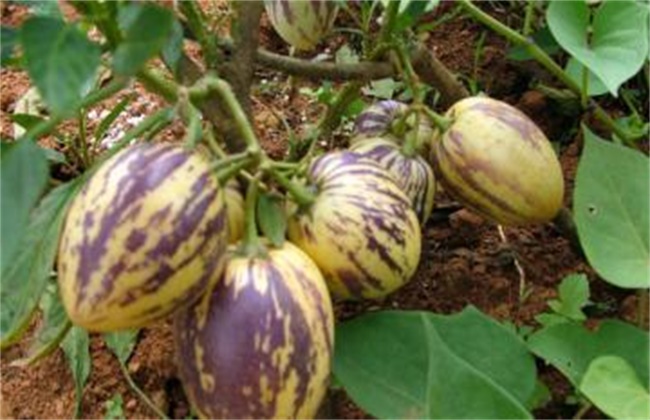
1. Site selection
Pepino melon has strong adaptability to soil. According to practice, pepino melon planted in loose, fertile, slightly acidic soil all grows well and yields high. Therefore, the planting site should be chosen in a place with convenient transportation, sufficient water sources, no pollution sources, relatively high terrain, good ventilation and light transmission, and convenient drainage and irrigation, and should be chosen in soil with high organic matter content, deep soil layer, loose and fertile, and slightly acidic, with a suitable pH value between 6-7. Before planting, deep plowing should be carried out, which can not only eliminate pathogens and insect eggs in the soil, but also loosen the soil, increase the soil's water storage and fertilizer retention capacity, and improve fertility. After deep plowing, the field should be finely and evenly leveled to help preserve soil moisture, and then trenches should be opened to make beds.
2. Sowing
The seeds of pepino melon are relatively small. When the sowing amount is not large, pot sowing or plug tray seedling raising can be used; when the sowing amount is large, seedbed sowing is needed. Before sowing, seeds with good color, uniform size, full grains, and no mildew should be selected. First soak the seeds to promote germination, then broadcast them, and cover with fine sand after sowing. If conditions permit, a greenhouse can be used for seedling raising. After sowing, control the temperature between 15-30 degrees, and seedlings generally emerge in 7-10 days.
3. Planting
When the seedlings grow to about 15 cm, they can be planted. First, water the seedbed thoroughly before lifting the seedlings. Use a small shovel along the soil layer under each row of seedlings and carefully lift the seedlings out, trying to keep the root system undamaged, and never pull the seedlings by hand. Before planting, first open trenches or dig holes according to the row and plant spacing. Now water in the planting holes or trenches, and when the water infiltrates, place the seedlings in the trenches or holes, and cover with soil after the water has completely infiltrated. The soil should not be covered too deeply or too shallowly, generally keeping more than 3 nodes of the seedling, and ensuring that the root system spreads out and is closely connected with the soil to improve the survival rate.
4. Field management
During the growth process, diseased and insect pests and other factors may cause stiff seedlings and weak seedlings. At this time, these inferior plants should be dug out in time, and healthy seedlings should be replanted, followed by applying quick-acting fertilizer to promote their growth and development. After planting and survival, when the plants grow vigorously, pinching can be carried out to promote the sprouting of side branches. The stems of pepino melon are relatively soft and prone to lodging, so before flowering and fruit setting, bamboo poles should be used to build cross-shaped or arched, rectangular, or three-dimensional rectangular frames, and then the pepino melon should be tied to the support. During the tying process, care should be taken, and the tightness should be appropriate to prevent damage to stems, leaves, and fruits. After the pepino melon sets fruit, flower and fruit thinning should be carried out according to the growth condition, so that the fruits are evenly distributed and uniform in size. Diseased fruits and deformed fruits should be removed in time.
The above is an introduction to the planting methods of pepino melon. We hope it can help you. If you want to learn more related knowledge, please follow us.