Detailed Explanation of the Key Field Management Techniques for Wampee Cultivation
Wampee is a small tree fruit of the Rutaceae family, and it has long been widely cultivated in southern China, with a long history of cultivation. The whole fruit used as medicine can treat phlegm-related cough and asthma, and fullness and pain in the chest and diaphragm; the leaves are pungent and cool in nature, and have the effect of dispelling wind and releasing the exterior; the roots can treat qi pain and hernia pain. Therefore, its edible value is very high, and some management should be noted when cultivating wampee. The later maintenance of fruit trees is long-term, and the following aspects of work need to be done well.
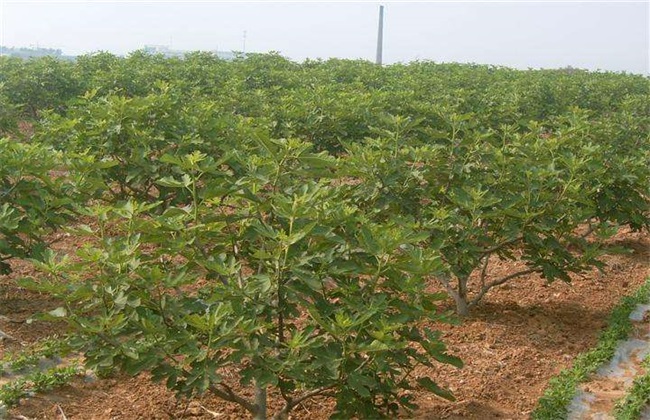
I. Fertilization
Base fertilizer can be applied after the fruit is harvested. Since a relatively large amount of base fertilizer is applied, 500 jin of farmyard compost or wheat bran extract can be applied per mu. Generally, furrow application, strip furrow fertilization, or ring-shaped furrow application is adopted; hole application also absorbs well, but the first two methods better protect the tree roots, and the fertilizer effect can also be absorbed well. For topdressing, when the autumn shoots sprout, fertilizer should be applied at this time to promote shoots and cultivate fruiting branches, mainly applying quick-acting nitrogen fertilizer; before winter begins, topdressing needs to be applied once more to preserve warmth and prevent cold, generally by burying some decomposed grass material, generally about 300 jin per mu. During the flowering period, 150 jin of compound fertilizer should be applied as topdressing. During the fruiting period, topdressing should also be applied once more.
II. Water Control
One week before applying base fertilizer, flood irrigation should be carried out once to maintain water content; the best soil moisture at the time of fertilization is still 60%. Then, when fertilizing for autumn shoots, watering should be coordinated; flood irrigation is not needed, and it is enough to water each plant thoroughly. Before winter begins, flood irrigation should likewise be carried out once, and no more watering is done throughout the winter; this water has a warmth-preserving effect. During the flowering period, do not water, to avoid worsening physiological flower drop; during the fruiting period, watering can be done once a week or once every five days, but this can be decided according to the soil.
III. Pruning and Orchard Cleaning
In the orchard, diseased fruits, diseased branches, or some old leaves, dense branches, withered branches that have not fallen, or excessively vigorous upright branches that damage the canopy structure should be pruned off in real time during normal times. Burn them in a centralized manner, then spray pesticides. However, after harvesting the fruit, attention should be paid to comprehensive orchard cleaning. In addition to the usual tasks, pruning and heading back should also be done to select and retain fruiting branches for cultivation; for old trees of many years, heavy pruning and root cutting should be done to rejuvenate them.
IV. Flower Thinning and Fruit Thinning
Rutaceae fruit trees generally bloom in great abundance, but not all can be retained; too many flowers consume nutrients and cannot all set fruit, and even if fruit is set, it is difficult to keep. Therefore, it is better to thin flowers first, then thin fruits. Flowers damaged by pests and diseases must be removed, then flowers with incomplete floral organs should be removed, and for clustered ones, the best should be retained, keeping flowers at suitable node positions. For fruit thinning, thin excess fruits on weak branches, weak fruits on strong branches, and diseased fruits, and keep fruits at suitable node positions.
V. Pest and Disease Control
The main control target is anthracnose, which is caused by high humidity and can harm multiple parts such as fruits, leaves, tender stems, and branches. Generally, in addition to timely pruning and removal, 50% Tuzet 500-600 times liquid, or 75% chlorothalonil 700-1000 times liquid should be sprayed. The main control target is the white moth cicada; prune branches, burn them, then spray 10% miebaike 2000 times liquid, or 40% dimethoate 1000 times liquid.
The main long-term tasks of wampee field management are the contents of these several aspects. Therefore, management and maintenance should be meticulous, and management work should be done as comprehensively as possible. For more agricultural content, please follow subsequent updates.