Best Time and Method for Bagging Pears: A Detailed Guide
An important task in pear cultivation is bagging. Juicy fruits like pears generally need to be bagged during growth, mainly to prevent piercing-sucking pests from feeding on and damaging the pears, and also to prevent various diseases and pecking by wild birds and animals. It can also avoid pesticide damage during spraying, protect fruit growth, and ensure quality is not affected. However, bagging has certain requirements: it must be done at the right time, with suitable bags, and some preparatory measures are needed before and after bagging. Let's take a look together!
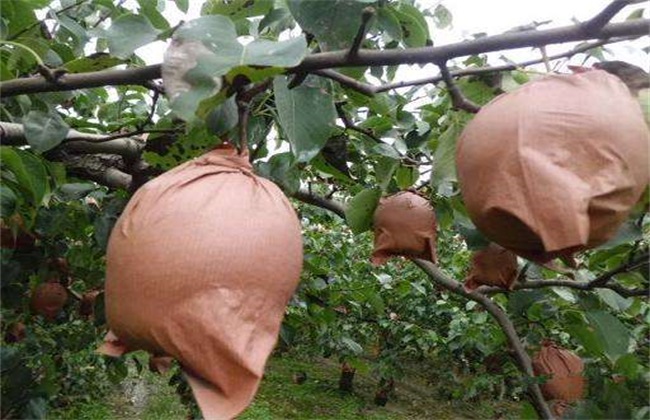
1. Bagging Time
If bagging is done too early, the fruit is too small and easily knocked off; if bagging is done too late, it is ineffective because pests and diseases have already occurred. Therefore, bagging should generally be done after the flowers have completely fallen, the fruit has set firmly, and the fruit has grown to the size of a ping-pong ball. At this time, the fruit is firm and free of pests and diseases, making it the best time to bag. For some varieties prone to rust disease, bagging should be done earlier; for slower-growing varieties, bagging should be done later. Bagging should be done on a sunny or cloudy day, not on a rainy day.
2. Preparation Before Bagging
Before bagging, spray pesticide once, applying fungicides, bactericides, and insecticides to prevent pests and diseases from occurring on the fruit after bagging. Or if tree diseases spread to the fruit, spray pesticide as well. Half a day to one day after spraying, once the pesticide has dried, bag the fruit. For spraying, protective agents are not suitable; quick-acting agents should be used. If bagging is not done for a long time after spraying or if it rains, spray again.
3. Choosing Bags
When choosing paper bags, choose paper bags made of hard, dense material, preferably tough material. You can test by soaking in water; if the bag does not rot and remains intact, it is suitable. Plastic bags should be transparent; it is best not to use black, light-blocking ones, as they affect light reception. You can put a foam mesh tube bag inside, then put a transparent plastic bag outside to prevent insects from piercing and sucking the fruit.
4. Bagging Method
When bagging, first bag the upper and inner fruits, then the lower and outer fruits. When bagging, open the bag to its maximum opening, then hold the fruit with one hand and hold the bag with the other, put the bag over the fruit, then gather the folds at the bag opening and tie the bag opening tightly with string or wire. For plastic bags, you can directly tie them using the excess part.
5. Precautions
Before bagging, fruit thinning is also needed: remove diseased fruit and diseased branches, as well as excess fruit, choose the positions for retaining fruit, and then determine bagging. After bagging, generally one week before the fruit matures and is harvested, open the bag opening to let air in; paper bags do not need this, and then remove them before harvest.
The above is the process of bagging pears, including preparation work, selection, and specific methods. This is a complete process, provided for everyone's reference. I hope that after reading it, it can help with your practical operation, and you can also bag reasonably according to your own needs.