Detailed Explanation of the Key Technical Points of Raspberry Planting and Management
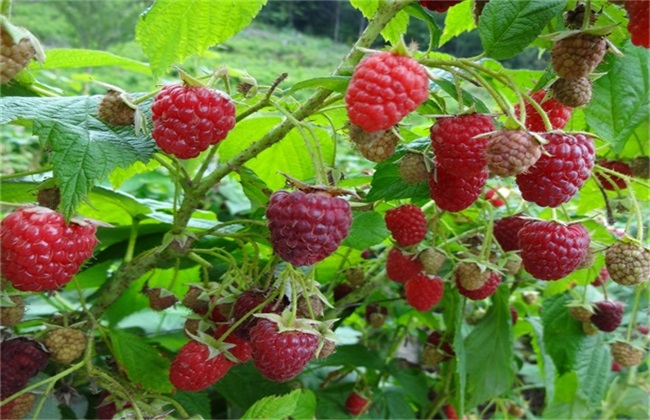
Raspberry, also called "ci pao er" (thorny berry), is a wild fruit that can grow in most regions except extremely cold areas. It also has the effects of promoting salivation and quenching thirst, and resolving phlegm and detoxifying. In recent years, artificial cultivation has increased, and it is a money tree for farmers to plant. Although raspberries tolerate extensive management, to grow them well requires careful management. What work should be done well in management? Let's explain in detail next.
I. Fertilizer and Water
Apply base fertilizer in autumn. The fertilizer is mainly decomposed farmyard manure, and then chemical fertilizer monopotassium phosphate can be added. For each plant, choose one side for fertilization. Apply 0.7 kg per plant, then mix evenly with the soil, and apply fertilizer at a distance of 30 cm from the root system. The next year, apply base fertilizer on the other side, and switch sides in this way thereafter. The first topdressing is at the flowering stage. Topdressing generally requires phosphorus and potassium fertilizer. Apply topdressing once more at the fruiting stage. Fertilization is the same. Water more at the fruiting stage, irrigating once a week, and continue until it no longer bears fruit. For watering, look at the soil and maintain 50% water content. Before winter, irrigate thoroughly once to keep warm.
II. Trellising
Raspberry canes are relatively thin and thorny, and they do not grow upright. For growth and management, it is necessary to set up a trellis when the vines grow to 50 cm. The trellis can be a triangular slanted type, or an upright trellis can be directly connected with wire mesh. The earlier the trellis is set up, the earlier it grows upward, so the vines should also be tied at each section of growth to maintain an upward posture and not grow drooping on the ground. This is not conducive to fruit growth.
III. Pruning
In spring, prune diseased and pest-infested branches, dense branches, weak branches, and excess newly sprouted shoots. Remove the basal buds of the main branches. For clustered buds, select one plump one to keep and remove the rest. All retained branches and shoots need to be pinched when they reach sufficient maturity. Most summer shoots should be removed, leaving only about 20% as fruiting branches for the next year. Basal branches should all be removed, and old leaves as well. Late-autumn shoots drag down tree vigor and need to be cut off.
IV. Weeding
Weeds grow between raspberry rows throughout the year. Generally, weeds begin to grow in spring and are relatively fragile, making it the best time for chemical removal. Manually pull out broadleaf weeds that are not easy to kill with herbicide. In summer, weeds grow vigorously and there is no time for spraying, so they must be removed manually in time. In autumn and winter, to prevent seed drop, spray chemicals rather than pull weeds manually. Spring and summer are the main times for cultivating and weeding.
V. Cold Protection
Winters in many southern mountainous areas are very cold. Raspberries need some cold protection measures to overwinter. Generally, soil burial begins after frost and before freezing. For soil burial, first cut off the basal branches, then bury soil up to the root crown. Take soil from a place far from the roots, and bury the soil firmly so wind cannot pass through.
The management after planting raspberries is long, requires effective management, needs attention to many problems, and requires fine management. Only when it is put into practice can the effect be good and a good harvest be obtained. If the above content is helpful to you, please continue to follow and read.