How to Grow Wampee (Huangpi)? A Detailed Guide to Cultivation Methods
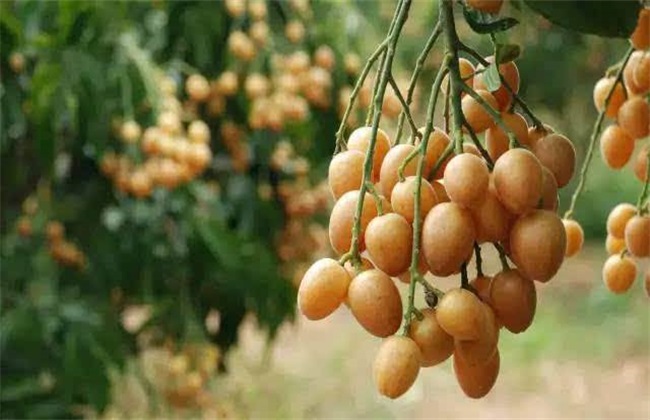
Wampee is a small tree in the Rutaceae family and a native plant of southern China, with a history of more than a thousand years in our country. Both the peel and the seed have considerable medicinal value, with effects of promoting digestion and resolving phlegm, and can be used to treat various problems such as indigestion and fullness and pain in the chest and diaphragm. It is grown on a large scale in southern China. So how should wampee be cultivated? Below, the editor brings you the cultivation methods for wampee. Let's take a look!
1. Site Selection and Land Preparation
To grow wampee, you must first choose a sandy soil with an average temperature above 20 degrees, sufficient sunlight and a clean water source, with a thick, loose soil layer and good drainage and irrigation. Then carry out land preparation on the soil, adjusting the direction of land preparation according to the planting area and the growing region. Dig the water ditches well, set up the soil ridges, and about 6 months before planting, control the planting density well and dig the planting holes. Apply sufficient base fertilizer to ensure a comprehensive and balanced nutrient ratio in the base fertilizer. Apply the fertilizer to the lower layer of the planting hole, then cover with soil to improve soil fertility.
2. Grafting Propagation
The main propagation method for wampee is grafting. After the wampee fruit matures, select good seeds, ensuring the seeds are robust and plump, and sow them. Control the sowing distance to about two centimeters, cover with fine soil after sowing, and when the seedlings grow to about 15 cm, transplant them to the grafting seedling bed, controlling the plant and row spacing well. Then when the diameter of the seedlings reaches about 0.8 cm, grafting can begin, with the grafting time kept around March. The scions should be selected from mother trees that are high-yielding, stable-yielding and of good quality. Robustness and plump buds are the basic conditions for scions. Then use the double-bud cut grafting method for grafting, which must not be done on rainy days, grafting at a point about 11 cm into the rootstock.
3. Timely Planting
About one month after successful grafting, that is, around March, transplanting is carried out. When transplanting and planting, control the plant and row spacing well, planting about 50 plants per mu. First, build a soil mound at the planting point, break up the middle of the mound and then dig a hole. When planting, ensure the seedling is inserted straight, and its roots must be fully spread out in the planting hole. After planting, backfill the soil and compact it, keeping the depth at about 5 cm above the roots. Then set up a support beside the seedling, cover with grass and water. Afterward, water reasonably according to the actual growth of the seedling, keeping the soil moist.
4. Field Management
After planting, we must do a good job of watering and fertilizing, applying fertilizer according to the actual conditions such as the growth of the wampee and the soil fertility. It is best to use the soil testing and formula fertilization method, applying more organic fertilizer to improve the nutrient ratio. Wampee is a plant that likes moisture, but its waterlogging tolerance is very poor. Therefore, water management must be done well. During various important growth periods of wampee such as the shoot flushing stage and the swelling stage, if water shortage occurs, then water should be applied in time; on the contrary, drainage work should be done well in the rainy season. Finally, basic management measures such as pruning, weeding, and pest and disease control must also be done well.
The above is a brief introduction to the cultivation methods for wampee. Growing wampee is actually not difficult, but it requires patience and strengthened management to ensure its planting benefits. That's all for today's introduction. This article is for reference only and I hope it can help everyone!