Management Methods and Technical Key Points for Watermelon During the Flowering and Fruiting Period
Watermelon cultivation management requires constant maintenance, but the focus of management is also the key period of growth and development, which is the flowering and fruiting period. Flowering requires thinning and preserving flowers, selecting and keeping flowers; fruiting requires selecting and keeping fruits to ensure the fruit-setting rate, and then there is also the need to take care of fertilizer and water management. In addition, efforts should be made to ensure a good growing environment, so today I will tell everyone about the management of watermelon during the flowering and fruiting period.
I. Flower Thinning and Fruit Thinning
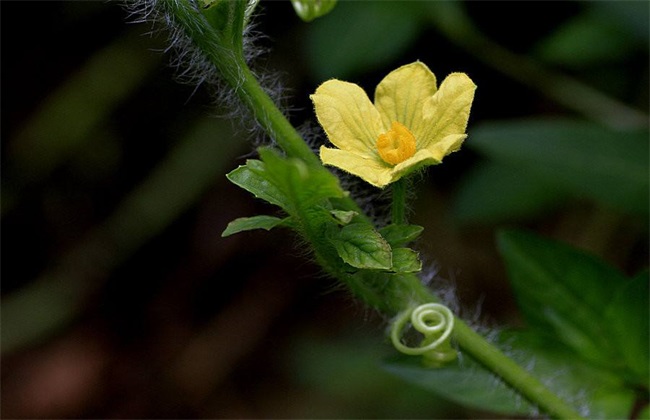
After flowering, flower selection and thinning should begin on the main fruiting lateral branches on the main vine. Generally, 6 to 8 flowers are kept on vigorous lateral branches, and the rest are removed. The flowers kept should be well-developed and free from pest and disease damage. Then on slightly weaker lateral branches, 5 to 6 high-quality flowers are kept; on even weaker ones, 3 flowers should still be kept, and the remaining lateral branches can be removed. Generally, 7 to 8 lateral branches are kept. On the lateral branches, 5 to 6 branches can also be kept on each branch, with about 5 flowers kept on each branch. The others are thinned out. Half a month after fruit set, observe the fruiting situation. Keep more fruits on vigorous and suitable vines, about 3 to 4; keep 2 on weak ones; and on even weaker ones, do not keep fruit and let them develop as vegetative branches.
II. Fertilizer and Water Control
During the flowering period of watermelon, do not water or water less. Watering easily causes physiological flower drop, but drought also causes flower drop. As long as there is no drought, a small amount of water is enough for flowering. Half a month before flowering, flower-promoting fertilizer can be used. To ensure fertilizer supply throughout the entire flowering period, apply about 400 jin of farmyard manure per mu, and after flowers appear, 0.2% boric acid can also be sprayed to preserve flowers. After fruit set, apply a quick-acting compound fertilizer once, generally at a rate of 90 jin, and during the fruiting period it can be used 3 to 4 times, in batches, to provide nutrients for each batch of fruit and preserve the fruit. Irrigation during the fruiting period should be done in the evening, about once every half a month. Each watering should soak through to ensure alternating dry and wet conditions.
III. Light and Temperature
For watermelon to accumulate sugar, it needs sufficient light, and then it needs a large day-night temperature difference to produce and store large amounts of sugar. Generally, strong summer light can meet the needs of growth, but protected cultivation is best, as light can be artificially adjusted and extended, and temperature can also be regulated. The internal temperature can be raised during the day, as long as it is a temperature suitable for watermelon, and then ventilate at night so that the temperature is the same as outside. This maximizes the day-night temperature difference.
IV. Cultivation and Weeding
Spray herbicide before planting. Then, when grass grows during the seedling stage, pull it out by hand to avoid competition for nutrients. Then the grass between rows will grow vigorously during periods of high temperature after rain. At this time, the soil can be cultivated to hoe out the weeds and turn them into the soil as green manure. When the crop is about to mature, some weeds are about to shed seeds, so all of them should be killed with pesticide before that. Do not pull weeds by hand, to avoid dropping seeds that will continue to grow the next year.
The flowering and fruiting period of watermelon cultivation is an important management period. Much work must be done to maintain flowering, growth, and fruiting, and keeping flowers and fruits is the main task. The flowering period and fruiting period mainly occur during the period when summer begins, so attention must be paid to watermelon's needs for temperature and light, regulation, and the concentrated supply of nutrients to high-quality flowers and fruits.