Field Management Methods and Technical Points for Rambutan
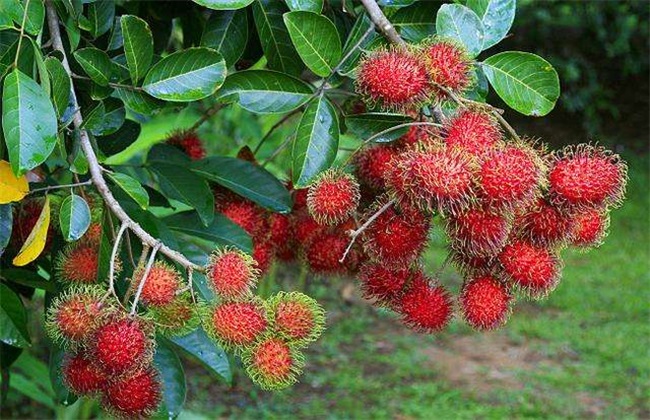
Many people mistake rambutan for lychee. Although the two taste and feel similar, they are two completely different fruits. Rambutan has high nutritional value, can be made into jam, juice, and more, and its appearance is quite beautiful, giving it very high ornamental value as well. So how should we manage rambutan when growing it? Below, the editor brings you the field management methods for rambutan. Let's take a look together!
1. Management after planting
Within the first two weeks after rambutan is planted, it needs to be watered once a day, but be careful to control the amount, keeping the soil moist is enough. When it enters the vigorous leaf growth period, that is, after about two months, start topdressing, mainly with urea. The topdressing method can use nutrient bags for spot application, which can prevent fertilizer waste and reduce planting costs. Then in the later growth stage, proper intertillage and weeding work should also be carried out. When intertilling, pay attention to the position and do not damage the plant roots. Then apply topdressing once a month, control the ratio of nutrients such as nitrogen, phosphorus, and potassium well, and ensure that rambutan can absorb nutrients normally.
2. Planting density
Planting density is very important for the growth of rambutan, and a reasonable row spacing should be maintained. The spacing should be controlled at about two meters, ensuring that each rambutan tree has sufficient space to grow and that sufficient light can be provided for rambutan growth. If planted too densely, it will have a great impact on the growth of rambutan. It will not only reduce the fruiting rate of rambutan, but also cause uneven light exposure, leading to a decline in the tree's growth vigor. The quality of the fruit will also be greatly affected, so everyone must control the planting density well to ensure the growth of rambutan.
3. Management during the growth period
When rambutan has grown to about 5 months old, not only should the work of loosening the soil and weeding be done well, but the amount of fertilizer applied should also be appropriately increased. This is especially true for compound fertilizer, because this is the vigorous growth period of rambutan, so its nutritional needs must be met. In addition, during the seedling stage, rambutan has relatively weak resistance, so it is susceptible to pests and diseases. Therefore, we should also pay attention to doing a good job in pest and disease prevention and control. Spray pesticides regularly for disinfection, and pay attention to the spraying environment and time. Do not do it on cloudy and rainy days, to prevent reducing the effectiveness of the pesticide.
4. Pest and disease control
During the seedling stage of rambutan, the most common pest is the tussock moth, and its main target of damage is rambutan leaves. When planting, be sure to observe more and eliminate them in time. If the number of insects is not large, manual capture is enough. If it reaches the point where pesticide use is needed, then spray with pesticides such as emamectin benzoate and phoxim emulsifiable concentrate. Common diseases include powdery mildew, downy mildew, and so on, so during the planting process we must often observe the growth of rambutan. Pests and diseases should be discovered early and treated early to avoid unnecessary losses.
The above is a brief introduction to the field management methods for rambutan. Management work will have a great impact on the yield and quality of rambutan, so everyone must pay close attention. That is all for today's introduction. This article is for reference only. Thank you for reading and supporting.