Detailed Explanation of Key Technical Points for Water Chestnut Planting and Management
The water chestnut is the fruit of the rhizome of a perennial aquatic plant. It has various dietary therapeutic effects and can be eaten fresh or processed into many forms of food. Therefore, it is deeply welcomed in various places, so it can also be cultivated artificially, and as long as a certain water area is available, it can be planted. However, this aquatic fruit is very different from what we usually call fruit in terms of planting and management, and is closer to other aquatic plants, so I wanted to introduce it separately to everyone.
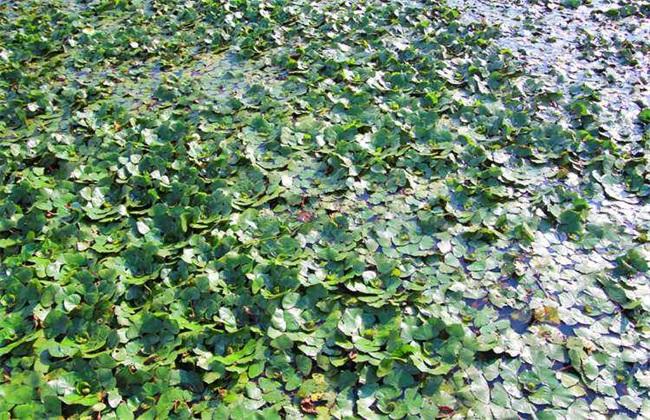
I. Water Level Regulation
A water depth of 30 cm to 2 m is suitable for planting shallow-water varieties, and then places where the water depth can reach 2.4 m are suitable for planting deep-water varieties. However, in self-built water chestnut ponds where the water level can be adjusted, you can freely choose the varieties to plant and freely adjust the appropriate water level yourself throughout the entire growth period of the water chestnut. In order to promote the growth of water chestnuts, the place where water chestnuts have just been planted should maintain a shallower water layer, which is conducive to respiration, while perennial old water chestnuts can be grown in deep water.
II. Fertilization
Fertilization and topdressing are mainly for shallow-water planting. Generally, fertilization begins when the main stem forms branches. Nitrogen fertilizer is mainly applied to promote leaf growth, and the fertilization is about 20 jin of urea per mu. Do not apply too much. Urea has high purity and easily causes excessive growth, so first mix the fertilizer with mud, then dig open the underground mud layer and bury it at a depth of 10 cm, so it is convenient for absorption and will not be lost with water and become unavailable. Then, during the flowering and fruiting stage, phosphorus and potassium fertilizers need to be applied, mainly to supply the growth of the stems and water chestnuts. In order to prevent loss, and because phosphorus and potassium fertilizers are convenient for foliar spraying, use 0.2% potassium dihydrogen phosphate for foliar spraying, spraying continuously 2 to 3 times, with an interval of half a month between sprays, which can ensure what the water chestnuts need. For deep-water fertilization, generally more fertilizer should be applied before planting or after harvest when the water layer is shallow, to fertilize the pond and accumulate nutrients, and then mainly spraying fertilizer during the flowering and fruiting stage is enough.
III. Weed Control
Planting in water will produce more weeds than in open fields, because there are many kinds of aquatic plants, they grow easily in the water environment, and many grow in continuous patches and spread to the point that they may even cover the water chestnut pond. Therefore, weed control is an important task in water chestnut management. When planting water chestnuts, you can first spray a herbicide once to kill aquatic plants and seeds. Then after planting, as soon as you see weeds, pull them out quickly while they are small. Do not wait until they age before pulling them out, because the seeds may already have fallen into the pond. Then, for stubborn weeds that spread easily, pull them out as soon as they are found. If weeds occur over a large area, you can spray herbicide, but it is best to carry out manual removal and pull them out by the roots.
IV. Pest and Disease Prevention
Water chestnuts are affected by aphids, leafhoppers, and so on. In the early stage of damage, you can use 90% crystallized trichlorfon at 800 times dilution or 5—6 vials of Decis mixed with 50 kg of water for spraying, spraying once every 10 days, and about three consecutive sprays is roughly enough, but it should be decided according to the specific situation of the pest damage. If water chestnut blast occurs, the leaves will rot. In the early stage of the disease, use 400 g of 5% Jinggangmycin plus 200 g of carbendazim mixed with 50 kg of water for spray treatment. Generally, it is best to spray three to four times with an interval of five days to prevent spread.
The above are the planting and management techniques for water chestnuts. Generally, no matter what is planted, planting is only a prerequisite, but management is an important guarantee. Water chestnut management is different from open-field fruit planting, and management work should grasp the characteristics of water chestnuts to carry it out.