How to prevent bitter melons? Cause analysis and prevention methods
Melon is a fruit often eaten in summer. Its flesh should normally be sweet, but melons often turn bitter, which affects the eating quality and sales. Therefore, it is necessary to find the causes during cultivation and take preventive measures to ensure the taste of the melon. Let us take a look at why melons turn bitter, and then solve this problem.
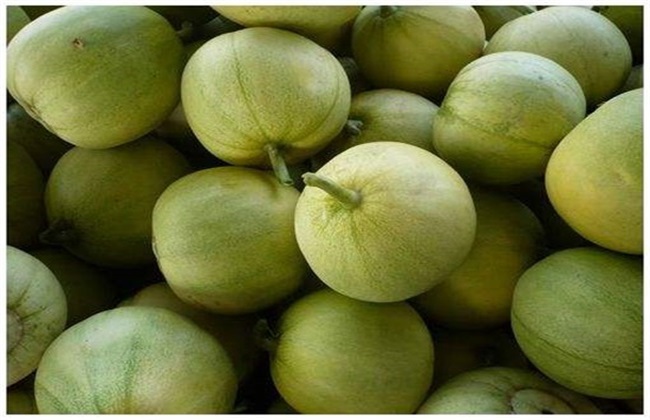
I. Causes of bitterness
1. High temperature
Melons are planted in spring, and the flowering and fruiting period enters a high-temperature period, so the root system cannot adapt in time. Its absorption capacity weakens, nutrients and water decrease, and bitter compounds accumulate too much in the melon, causing bitterness.
2. Insufficient light
On cloudy and rainy days without sunlight, leaf photosynthesis weakens, nutrient accumulation is low, water content is high, and sugar content decreases. In addition, waterlogged roots reduce absorption capacity, so sweetness is low and bitter compounds cannot be transformed.
3. Other causes
Applying too much nitrogen fertilizer makes bitterness likely after ripening. Transplanted seedlings that are too old, or whose roots are badly damaged during transplanting, absorb poorly and become bitter. Or, for transport and storage, fruit picked before ripening and then ripened with chemicals will be bitter. Most melon stems become bitter because they contain cucurbitacin B.
II. Preventive measures
1. Early sowing and water supplementation
Sowing can be done appropriately early. By raising seedlings in small plastic tunnels or greenhouses, the flowering and fruiting period can be advanced by half a month or one month, which can avoid the effect of high temperature and drought on root absorption. When high temperature and drought occur, water at night to protect the root system and maintain root vitality. High-quality varieties with strong root systems and tolerance to high temperature can be selected for planting.
2. Site selection and drainage
Plant on sunny sandy slopes with sufficient direct sunlight, not in low-lying paddy fields. In the rainy season, dig multiple drainage channels to absolutely ensure drainage. After rain, plant ash can be sprinkled on wet ground to absorb moisture, supplement fertilizer, and strengthen roots, so that the root system suffers less damage and maintains normal absorption and utilization capacity..
3. Other methods
For fertilization, apply a little more only during the early vine growth stage. Later, as long as the leaves are dark green without yellowing, nitrogen fertilizer can be omitted, or only a little nitrogen fertilizer can be applied. For seedling raising and transplanting, transplant as early as possible once the seedlings grow to about 8 cm. One day before transplanting, water and loosen the soil, and when lifting seedlings, damage the roots as little as possible. Do not use ripening agents for fruit picked for transport; pick it when it is almost ripe. Bitterness in the melon stem is normal, but if it is too bitter, growth regulators may need to be used for adjustment.
So melons turn bitter because of these various reasons. To solve the problem of bitterness affecting taste, it is still necessary to identify the cause accordingly, and then make certain food adjustments and regulation. It is believed that this phenomenon will improve, or even disappear.